

How the war in the Middle East will affect the corn and nitrogen fertilizer market in Ukraine
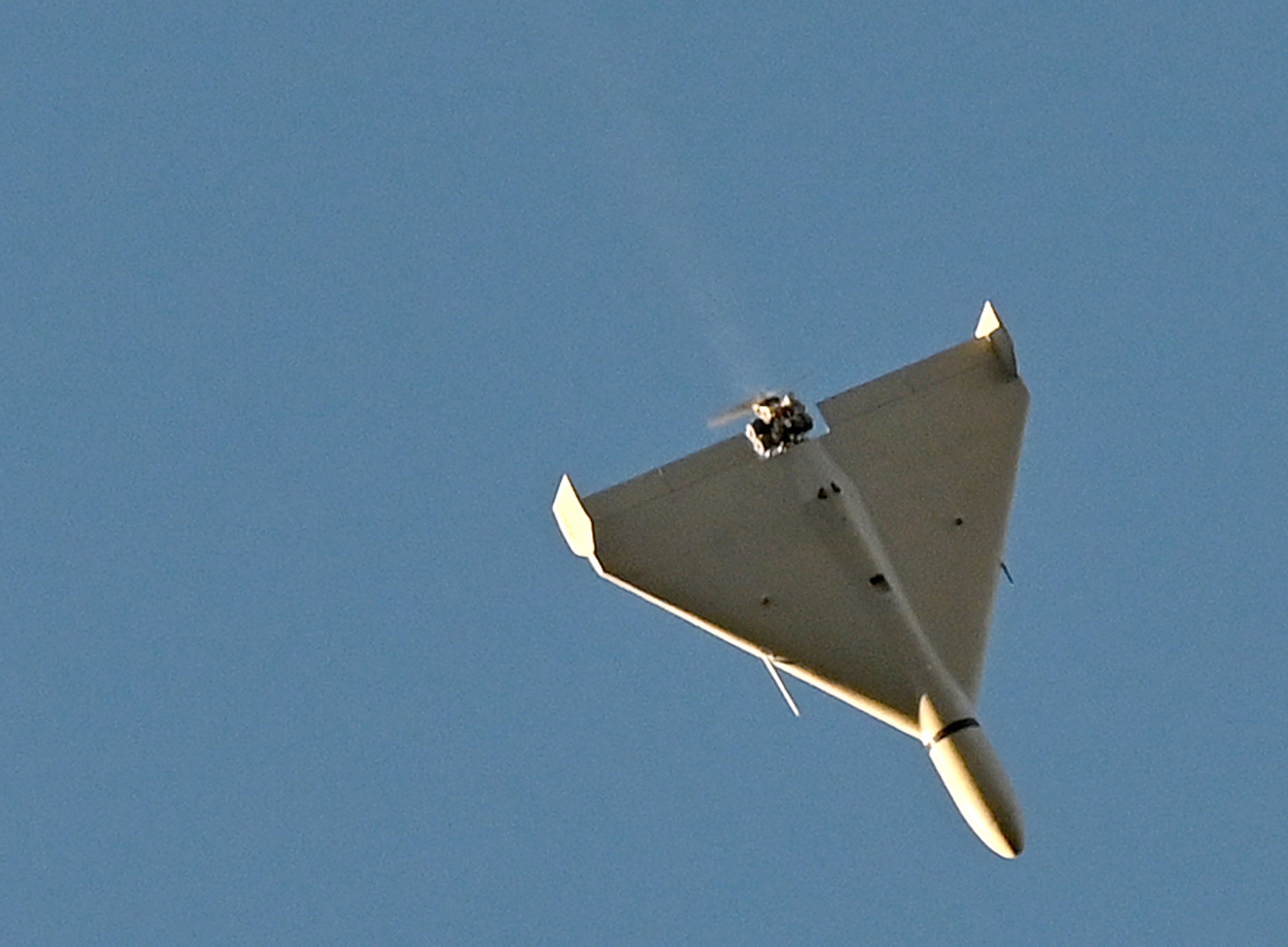
Global markets have reacted sharply to US and Israeli strikes on Iran and restrictions on shipping in the Strait of Hormuz, through which about 20% of the world's oil supplies pass. But this war will affect more than just oil.
Latifundist.com analysts analyzed how the situation in the Middle East could affect the Ukrainian corn and nitrogen fertilizer market.
The Strait of Hormuz is a narrow sea corridor between Iran and Oman that carries about 20% of the world's seaborne oil shipments and about 20% of the world's LNG shipments. It is a key route for energy exports from Saudi Arabia, Qatar, the UAE, Kuwait and Iraq, so any risks to shipping have a significant impact on oil quotes, insurance rates and freight costs.

After the initial attacks, some major oil companies and traders suspended shipping through the Strait of Hormuz, with Maersk announcing a review of shipping routes in the region. According to Reuters, leading marine insurers are canceling war risk coverage for ships in the Persian Gulf and near the Strait of Hormuz from March 5, making shipments through the region more expensive and risky.
Against this backdrop, oil futures rose 10% to $80/barrel. Analysts predict that prices could reach $100/barrel if the war drags on.

Rising oil prices usually have a positive impact on grain and oilseed markets, particularly soybean oil, as they did this time. Soybean oil prices rose 3.9% on Monday to a near 2-year high, although they later eased slightly. High oil prices support vegetable oil prices as they make biodiesel more attractive and stimulate demand.
However, the Strait of Hormuz is not only an "oil artery", but also one of the main centers for the production and export of nitrogen fertilizers. According to Forbes, about 25-30% of the world's trade in nitrogen fertilizers is connected with the route through the Strait of Hormuz. The difficulty of shipping does not always mean a shortage of supplies, but it immediately leads to an increase in freight, insurance premiums and prices.
General Director of the agricultural holding HarvEast D. Skornyakov believes that a protracted war in the Middle East will have serious consequences for Ukrainian farmers, since this region is the main supplier of oil, gas, nitrogen and potassium fertilizers, as well as sulfur, which is a critical element in the cost of phosphate fertilizers. Domestic prices for sulfur in China (which is its largest importer in the world) have already increased by 5%. A prolonged conflict will significantly raise prices for fuel and fertilizers, on the imports of which Ukraine depends the most in the world, along with Brazil and the EU.
Fertilizer prices reacted immediately to the situation. Egyptian fertilizer producer Mopco raised its prices for granular urea to $505/t FOB, while its fellow supplier Alexfert raised its prices to $495/t compared to $480-485/t on Friday. In addition, some suppliers have stopped deliveries, waiting for the situation to develop. Experts believe that prices could rise by another $20-30/t in a few days, even in the absence of a physical shortage on the market. That is, the current price increase is more speculative than due to a real shortage of the product.
Unfortunately, all these additional costs along the chain will reach the last link - the farmer. Some farmers will be able not to sell grain and not to buy fertilizers, waiting for the situation to resolve. The same $ 30 / t per hectare is not critical for someone. Therefore, someone will wait, and someone will buy now, experts believe.
However, analysts at White Brokers believe that the escalation of the conflict in the Middle East will increase uncertainty for global agricultural markets, as this region imports about 20 million tons of corn annually and is one of the main sales areas for Ukraine. It is the activation of Middle Eastern buyers that has recently contributed to the increase in prices at Ukrainian ports, so a decrease in demand due to military risks may negatively affect prices.
Ukraine did not directly supply corn to Iran, but Turkey played a significant role as a trade hub, as part of the volumes sold to Turkish companies ended up in Middle Eastern markets.
In addition, contract revisions or delays may lead to cash gaps and increase pressure on prices. A separate negative factor remains high freight, as some shipowners are reorienting towards supplies from the Russian Federation due to lower risks.
