

German authorities have introduced a mandatory requirement for the use of SAF
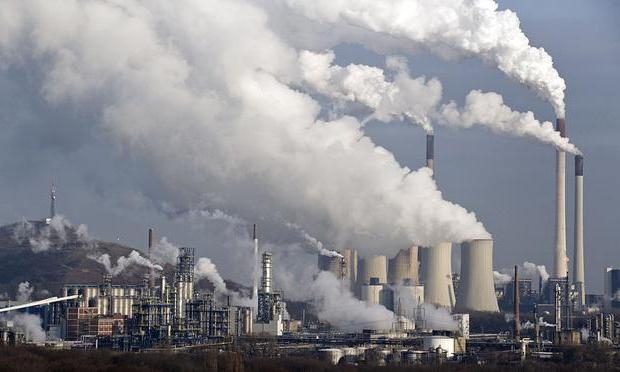
The German government has set a greenhouse gas emissions quota of 59% by 2040, banned double counting and introduced a mandatory requirement for the application of SAF (Sea of Aircraft).
The country's authorities on December 10 approved a bill on the reform of greenhouse gas emission quotas, which provides for a 59% reduction in emissions by 2040, a mandatory requirement for the use of environmentally friendly aviation fuel and strict measures to prevent fraud that could change the flow of biofuel trade in the EU. The law implements the EU RED III directive and the ReFuelEU Aviation regulation into national law, and most of its provisions will enter into force on January 1, 2026.
The law obliges fuel suppliers to reduce greenhouse gas emissions by 12% by 2026, by 25% by 2030, by 36% by 2035 and by 59% by 2040. The fuel mix must be almost completely decarbonized by 2040, and the share of renewable energy in the transport sector must reach 62%.
The document abolishes the double counting mechanism for biofuels, which artificially inflates quota compliance rates without actually reducing emissions.
The quota for promising biofuels, which excludes double counting, will be increased by 2% by 2026, by 3.5% by 2030, and by 9% by 2040.
Following recent scandals involving fraudulent imports of biofuels from Asia, the bill introduced an “integrity protection” provision. Renewable fuels, both biological and non-biological, will only be eligible for quotas if the production facilities are allowed to be inspected by competent authorities.
The law completely excludes palm oil biofuels from the quotas starting in 2027. The ban applies to residues and waste from palm oil production, such as wastewater from oil mills, which closes the possibility of cross-subsidizing unsustainable palm oil production. Therefore, producers in Malaysia and Indonesia could face a profitability crisis if they do not increase production or enter into waste sales agreements.
Germany is introducing a special sub-quota for renewable energy sources (green hydrogen and synthetic fuels) for all modes of transport for the first time. In 2026 it will be 0.1%, by 2030 it will increase to 1.2% and by 2040 – to 8%.
Aviation fuel suppliers will be required to add a minimum proportion of clean aviation fuel and synthetic kerosene to the mixture. Failure to comply will result in a fine of €4,700/t for insufficient amounts of clean aviation fuel and €17,000/t for insufficient amounts of synthetic aviation fuel.
At the same time, the German shipping industry will not be obliged to comply with the requirements of the RED III directive, unlike the plans for neighboring countries - Belgium and the Netherlands.
The new reform will increase fuel suppliers' costs of complying with legal requirements by €2.7 billion by 2030. However, the Ministry of the Environment claims that this is necessary to achieve real decarbonization and stimulate domestic investment in biofuel production equipment.
