

The cost of export road transport is increasing due to queues at the border and delays in processing
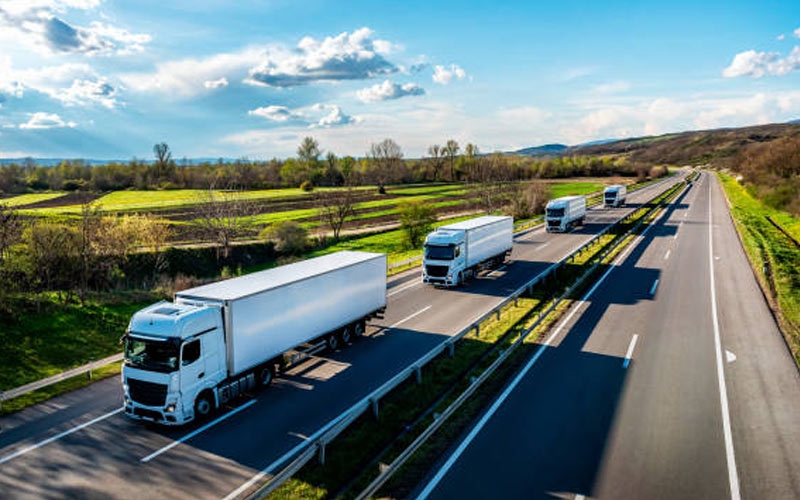
Due to the blockade of exports from the Black Sea ports, the main cargo flow was directed to the Danube ports and western terminals. The increase in transportation volumes and delays in the arrival of ships and European trains increase the downtime of wagons, which leads to significant losses for exporters. Therefore, the transportation of goods by road has become an important alternative to rail.
Amid the growing demand for trucking, their cost has risen sharply. In addition to the shortage of drivers with the right to travel abroad, prices are also being driven up by the delay in unloading imported cargo and the delay in customs work caused by constant concerns.
There is another problem - the registration period for a tax invoice, without which customs clearance is impossible, is 3 days. Therefore, cars stand in line for 3-5 days, waiting for customs clearance, and then another 5-6 days in an electronic queue waiting for permission to cross the border.
To speed up the process, tax officials should shorten the VAT registration period for exports from 3 to 1 day, which will reduce vehicle downtime by 1-3 days.
According to Ukrvanzhat, grain trucking rates increased on all routes over the week, with the largest increase (by 15%) on foreign routes. The reasons are increased demand for transportation as the new crop is harvested, rising fuel prices, a shortage of drivers and trucks, and queues at the border.
In some directions, queues to cross the border reach 8 days, which leads to disruptions in transportation schedules and exacerbates the transport shortage.
Last week, the main grain transportation took place from Chernihiv, Kirovohrad, Poltava, Dnipropetrovsk, Cherkasy, Kharkiv, and Kyiv regions to Odessa, and in the western regions - from Rivne region to Khmelnytskyi, from Khmelnytskyi to Lviv, and from Chernihiv to Lviv.
Constant attacks by the Russian Federation not only delay the movement of vehicles, but also force carriers to change routes, which increases costs.
In the future, the cost of road transportation will depend on the pace of export of the new harvest, fuel prices, the non-peak situation and the amount of available transport. High demand and a shortage of cars will continue to increase prices.
