

Traders believe that Danube ports will not be able to replace the ports of Greater Odessa
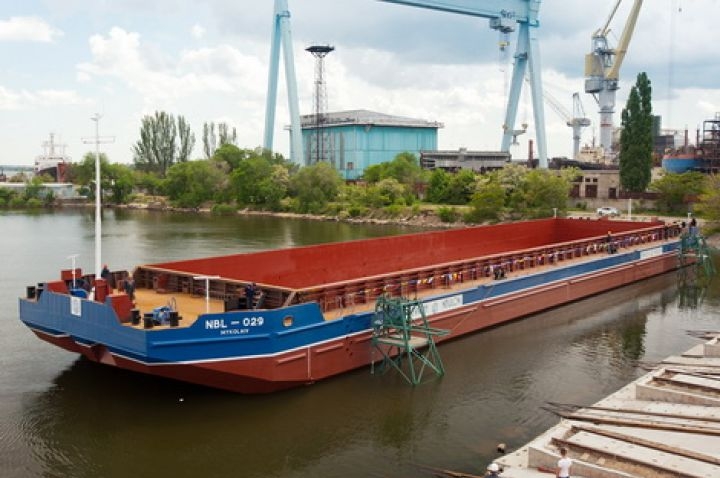
Against the background of shipowners' refusal to load vessels in the ports of Greater Odessa, traders have increasingly begun to redirect cargo traffic to the ports of the Danube. However, these ports will not be able to become a full-fledged alternative to Odessa due to low water levels, shallow depths, and the threat of shelling. Mykola Gorbachev, president of the Ukrainian Grain Association, told Latifundist in an interview.
According to him, with the existing infrastructure, the throughput capacity of the Danube ports is a maximum of 2.5 million tons per month (total grain, oil, meal, and other cargo).
However, in fact, even this indicator will not be achieved, since the ports of Reni and Izmail are also heavily shelled by the Russians, and the water level in the Danube is now the lowest in the last 30 years, so barges are loaded only by a third. In addition, due to military risks, some shipowners refuse to deliver vessels to Ukrainian ports, including Danube ports.
By rail across the western border, Ukraine will be able to export no more than 1-1.5 million tons of cargo per month, so this season may repeat the situation of 2023, when agricultural exports sharply decreased.
The owner of the logistics company TEUS D. Kazanin said that only vessels with a draft of up to 7 m can enter the Danube ports, and traders will be forced to offer additional bonuses to large vessels chartered for deep-water ports if their owners agree to work in conditions of increased risk. The cost of transportation through the Danube will be $20-30/t higher than through the ports of the Odessa region, so traders are looking for alternative routes, although they are not using them very actively yet.
However, due to the seasonal decrease in water levels, it is currently impossible to fully load even a vessel with a draft of 7 m, since in the section between Izmail and the 44th mile the draft is about 6.7 m, and in the Bystrytsky Canal - 5.5 m.
In addition, Romania requires vessels to undergo port inspection in Tulcea, which increases the cost of transportation due to additional declarations and creates risks for the old fleet, which may not pass inspection.
