

Corn prices in Ukraine continue to fall following a decline in Chicago quotes
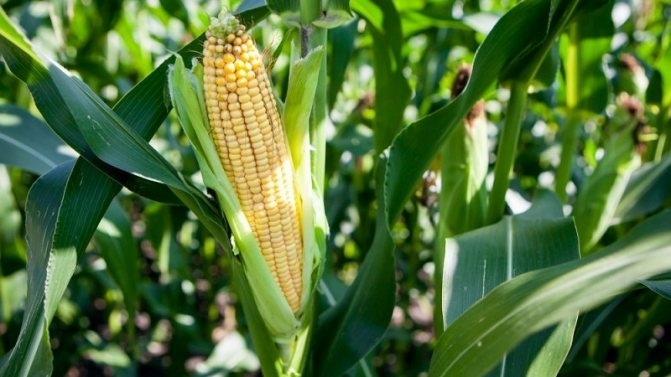
Feed corn prices in Ukraine continue to fall, following wheat and barley prices due to the lack of seaborne exports. Corn quotes in Chicago are also falling amid improving weather in the US and increased supply from South America.
Export demand prices for feed barley fell to 7,000 UAH/t, and for feed wheat - to 8,000 UAH/t with delivery to ports, but traders do not purchase corn at ports, so domestic corn prices fell by another 500-1,000 UAH/t in a week to 7,000-8,000 UAH/t with delivery to factories. At the same time, export demand for old crop corn with delivery to the western border at a price of 8,000-9,000 UAH/t for deliveries to the EU remains.
Despite another forecast of a reduced corn harvest in the EU , November corn futures on the Euronext exchange in Paris have fallen by 3.8% over the past 7 days to €250.25/t or $285/t (+11% per month) under pressure from a sharp drop in oil prices and a general decline in agricultural commodity prices in Chicago.
December corn futures in Chicago fell 3% to $184.6/t (+8.3% month-on-month) over the past 7 days on forecasts of heavy rainfall last week and this week, despite high temperatures in the US corn belt. At the same time, weather with moderate temperatures and precipitation continues to support corn crops in Ukraine.
Also, quotes are being strongly pressured by forecasts of an increase in the corn harvest in Argentina compared to the previous season from 51 million tons to a record 71.5 million tons, as well as in Brazil - from 140 to 141.7 million tons due to an increase in the second corn harvest against the backdrop of optimal weather conditions.
The lack of the possibility of supplying Ukrainian corn from the Black Sea will reduce export volumes to Egypt and allow corn from South America to completely capture this market. Only the EU market will remain available to Ukraine, but problems with rail logistics caused by increased supplies of rapeseed and grain across the western border will not allow increasing corn supplies in Q3-Q4.
