

Oil supplies through Hormuz resume, but war in Yemen keeps Brent above $100/barrel
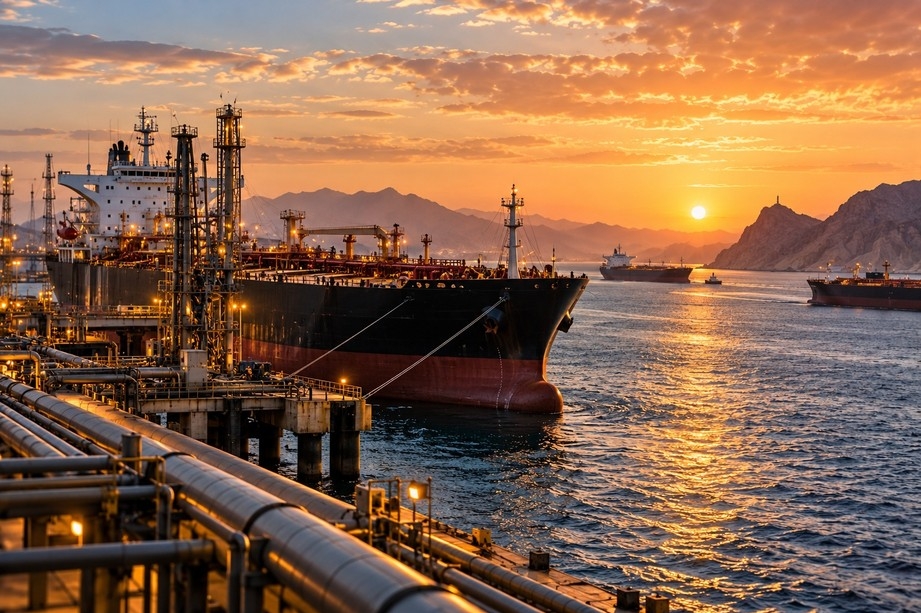
Oil prices have come under pressure due to expectations of a possible resumption of talks between the US and Iran, increased supplies from the Persian Gulf, and the decision of the G7 countries to release 100 million barrels of diesel fuel and other reserves.
At the same time, a further decline in prices is being held back by new tensions in the Middle East following the start of a large-scale operation by the Saudi-backed Yemeni government against the Houthis.
December Brent futures fell 1.9% to $102.2/barrel (+10% month-on-month), but remain elevated due to a significant geopolitical and logistical premium.
Crude oil shipments through the Strait of Hormuz increased to approximately 14.2 million barrels per day in late September, or almost 80% of pre-war levels, significantly reducing the supply deficit on the global market.
At the same time, transportation of petroleum products, including gasoline, liquefied gas, diesel fuel, and aviation kerosene, is recovering much more slowly due to the high cost of freight, insurance, and the loss of some of the region's oil refining capacity.
Additional pressure on oil prices is being put by the G7 decision to coordinate the release of 100 million barrels of strategic reserves over four months. A significant portion of the diesel fuel is expected to be delivered to the market within the first 20 days.
However, even a sharp resumption of supplies through Hormuz has not yet allowed oil prices to return to pre-war levels due to record increases in the cost of tanker transportation, insurance, and a shortage of oil refining capacity.
On October 4, the head of Yemen's Presidential Council, Rashad al-Alimi, announced the start of a large-scale military operation against the Iran-backed Houthis. Government forces are to regain control of the territories of the country that remain under the group's control, and the militants have been asked to lay down their arms.
Of particular importance is control over the Bab el-Mandeb Strait, a key route between the Red Sea and the Indian Ocean, which has become even more important after the restriction of shipping through the Strait of Hormuz.
We expect that the resumption of oil flows through the Persian Gulf and increased sanctions pressure on Iran will continue to put pressure on oil prices.
The economic situation in Iran is deteriorating amid restrictions on exports and imports, and the rial exchange rate has already approached 3 million to the dollar. At the same time, a new escalation in Yemen and the risks of attacks on transport and oil infrastructure will maintain a significant premium in oil prices for the time being.
