

Cattle population in Ukraine decreased by 11% in 2025
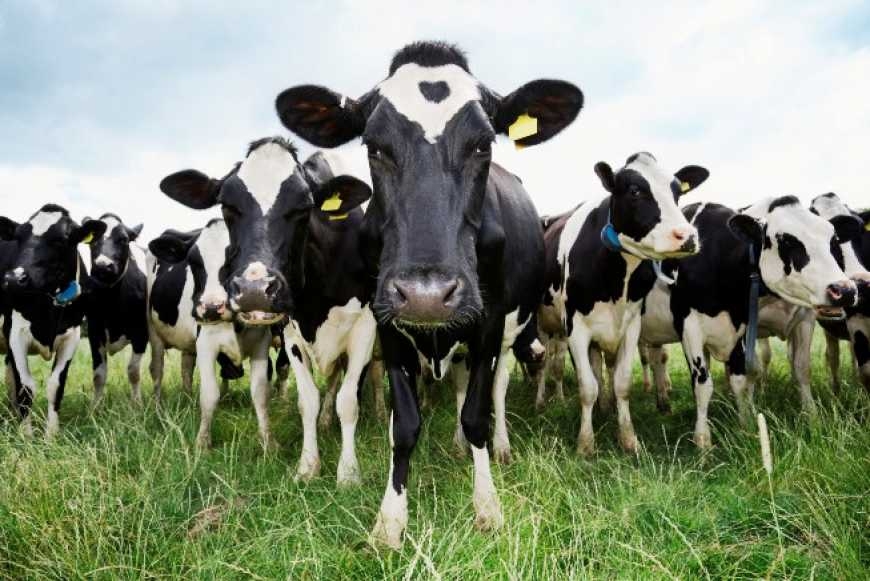
As of January 1, the cattle population in Ukraine decreased by 11.4% compared to the corresponding figure last year to 1.804 million heads, in particular cows - by 13.4% to 1.022 million heads, according to the State Statistics Service of Ukraine.
While the number of cattle in households decreased by 22.9% to 856.4 thousand heads, in agricultural enterprises it increased by 2.4% to 947.7 thousand heads.
Also, according to the State Statistics Service, as of January 1, the pig population in Ukraine increased by 2.9% (to 4.64 million heads), poultry - by 3.3% (to 192.387 million heads), sheep and goats - decreased by 10% (to 761.1 thousand heads).
According to Rabobank's Global Animal Protein Outlook 2026, the global beef market will face unprecedented challenges, leading to reduced production and rising prices for this type of meat. Against the backdrop of increased production in the poultry and aquaculture sectors, beef, as one of the main sources of animal protein, will find itself in a turbulent zone. Therefore, 2026 will be a turning point when, for the first time in six years, global production of terrestrial protein species will decrease, and the main burden will fall on beef.
Experts identify three main factors contributing to the decline in beef production:
- North America: The US and Canada continue to slowly rebuild their cattle herds after years of liquidation, leaving beef supply low on the market, pushing up prices. US beef production peaked in 2022 but has since declined. Despite high prices, domestic consumption remains stable, forcing the US to increase imports and reduce exports. This creates opportunities for suppliers from Brazil, Australia and New Zealand to fill the vacated niches in the US market.
- Brazil is entering a phase of sow retention to restore its herd, which temporarily reduces slaughter volumes. As one of the largest beef producers, the country faces the need to balance domestic needs with exports. In a global shortage, Brazil can become a strategic leader by directing its export flows to countries with high demand, such as China.
- In China, the reduction in domestic production is due to the end of a period of massive stock-outs. The country, which accounts for about 30% of global beef consumption through imports, will reduce purchases by 2–3%. This is not due to a drop in demand, but is due to limited global supply and high prices. Brazil remains a key partner, providing more than half of China's beef imports.
In the European Union, beef production is stabilizing at a low level, as structural reductions in livestock numbers, strict environmental regulations and regulatory pressures hinder growth. In the short term, the scope for expanding production is limited, making Europe dependent on imports and opening up new opportunities for exporters from Mercosur, even despite the moderating effect of trade agreements that could enter into force in 2026.
Therefore, in 2026 we can expect significant changes in the structure of the global beef market. On the one hand, high prices will stimulate producers to optimize their processes and seek new markets. On the other hand, a supply shortage may lead to an increase in prices for end products, which will affect consumer preferences and overall consumption.
The global beef market in 2026 will become an arena for competition between producers, where countries with more efficient production systems and sustainable resources will be able to take leading positions. Brazil, as a strategic player, is likely to take advantage of the situation to strengthen its position on the international stage, while other regions will be forced to adapt to new conditions to survive in conditions of shortages and high prices.
