

Falling oil prices and rising production forecasts in Indonesia are putting pressure on palm oil and other vegetable oil quotes
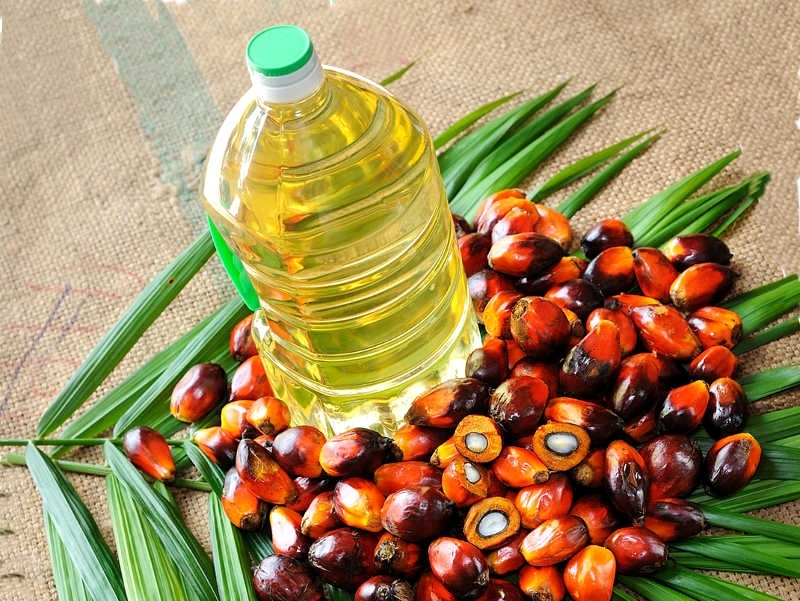
Palm oil prices continue to fall under the pressure of fundamental factors, such as increased palm and soybean oil production and reduced demand for biodiesel due to falling oil prices.
Yesterday, April Brent crude futures fell 2.8% to $67.5/barrel, giving up last week's gains, but they are still trading 4.2% higher than a month ago. It should be recalled that analysts estimate the speculative component (caused by a possible war with Iran) in the price of oil at 7-10%, so if negotiations continue, quotes will lose this support.
Yesterday, a new wave of asset sales began in the US market, which led to a loss of capitalization of $3.6 trillion in just 90 minutes of trading, and became a strong factor in pressure on oil prices.
Gold prices fell by 3.76% yesterday, losing $1.34 trillion in market capitalization, silver fell by 8.5% (-$400 billion), the S&P 500 index fell by 1% (-$620 billion), the Nasdaq fell by more than 1.6% (-$600 billion), and cryptocurrencies fell by 3% (-$70 billion).
March palm oil futures on Bursa Malaysia fell 4.2% to 4,037 ringgit/t or $1,035/t in the week, and the decline is expected to continue today under pressure from lower oil prices.
According to estimates by the Indonesian Palm Oil Producers Association GAPKI, Indonesia's crude palm oil production in 2025 is expected to grow by 2-3% to 51.98 million tonnes (compared to an 8% increase in 2024), and exports by 8.7% to 32.12 million tonnes.
Production growth is slowing due to the aging of plantations, which leads to an increase in the number of young trees and causes a decrease in yields. Total palm oil production, including crude palm kernel oil, in 2025 amounted to 56.91 million tons.
Domestic palm oil consumption in 2025 increased by 3.8% to 24.76 million tons due to the mandatory use of biodiesel under the B40 program.
The association forecasts that in 2026, palm oil prices will be lower than in 2025, but in the first half of 2026, the price of palm oil will be 4,100-4,400 ringgit/tonne, which is due to seasonally reduced or delayed harvests. And in the second half of the year, the price will decrease to 4,000-4,300 ringgit/tonne due to seasonally increased yields and increased competition from soybean and sunflower oils, as well as potential policy uncertainty and a slowdown in the pace of biodiesel implementation until the end of the year.
The decline in prices in China, caused by the New Year holidays, and the possible drop in prices in India due to the promised elimination of tariffs on agricultural products from the US, together with the fall in oil prices, will contribute to a decrease in palm oil prices, which in turn will continue to put pressure on neighboring soybean and sunflower oil markets.
