

More than 20,000 freight cars have accumulated at western border crossings, which are idle for 20-25 days.
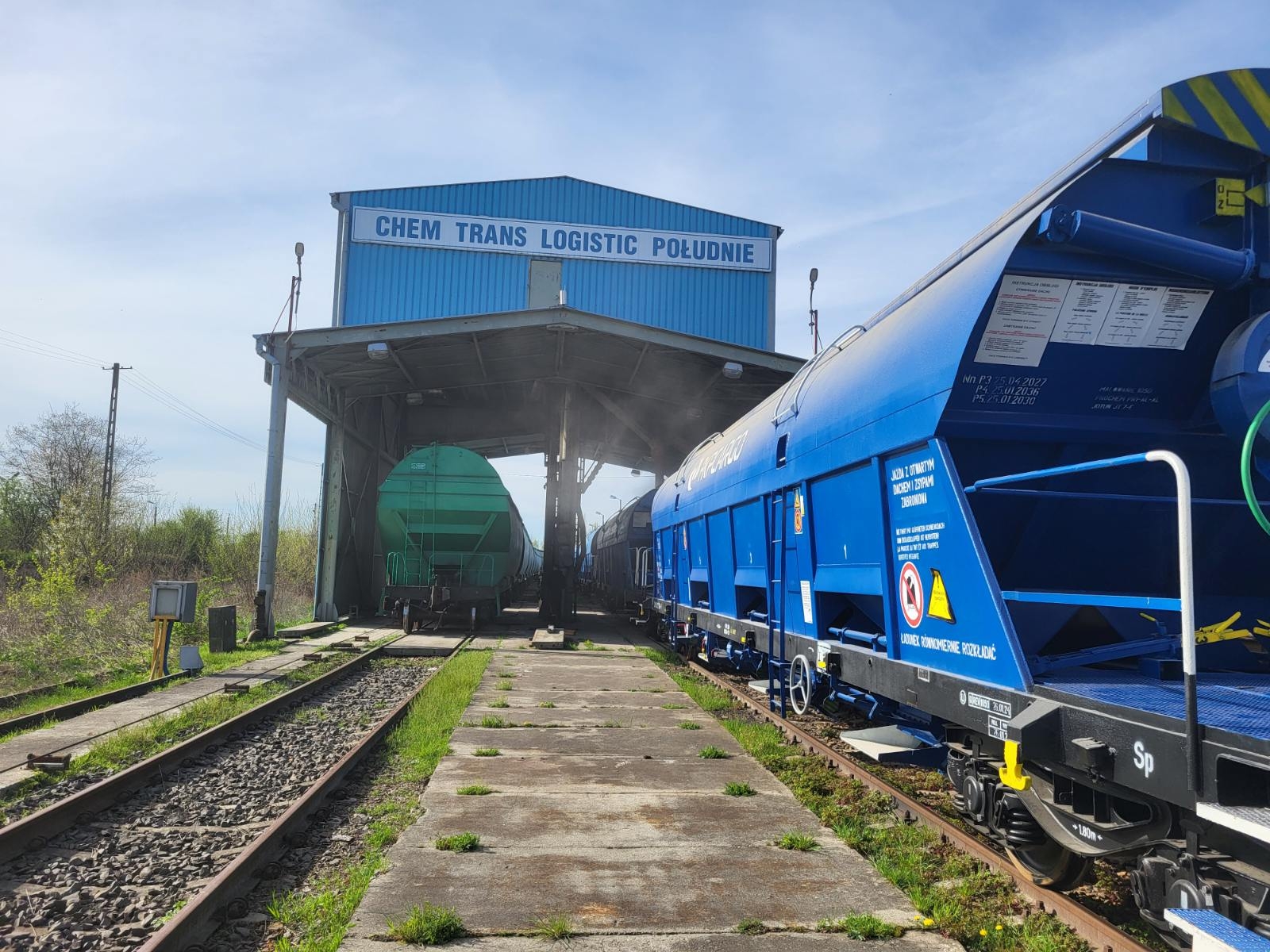
According to Ukrzaliznytsia, as of October 23, 20,718 freight cars had accumulated on the approaches to the western border crossings, with 837 cars located directly at the stations, and the rest were idle on the internal network.
On the Polish side, there are 5,820 wagons in the queue at the Izov station, 2,589 wagons at Mostyska-2, and 1,039 wagons at Yagodyn. On the Slovak side, there are 3,330 wagons in the queue at Chop, and 2,436 wagons at Uzhhorod. On the Hungarian side, there are 2,484 wagons waiting in the queue at Batevo, and on the Romanian side, there are 1,098 wagons in front of Vadul-Siret. A large number of wagons have also accumulated near the borders with Moldova.
The average waiting time for the transfer of wagons to partner railways is 19 days, and in the Batyevo direction - 32 days.
Experts from the Institute of Economic Research and Policy Consulting note that the main delays occur even before the wagons arrive at the border, as air raids, attacks on infrastructure, locomotives and electrical substations delay train movement. And border stations in the Slovak direction could accept more trains, but they do not arrive on time. The problem is exacerbated by the shortage of locomotives and locomotive crews in Transcarpathia.
Air alerts during border crossings suspend checks, with delays reaching 2-3 hours on the Hungarian side.
The capacity of the terminals is also limited by empty wagons piled up on the tracks, and on the Moldovan side, traffic is delayed by a shortage of locomotives on the local railway.
Traffic delays are also occurring outside Ukraine. Recently, one of the terminals at the port of Constanta temporarily stopped accepting trains, and repairs on a section of the Romanian railway increased the turnaround time for wagons on this route from 10 days to 12-13 days.
Currently, the number of applications for transportation exceeds the throughput capacity of the crossings, and large queues of wagons reduce their availability, creating additional risks for export logistics.
