

Egypt to increase wheat production by 6.5% compared to last year, reducing need for imports
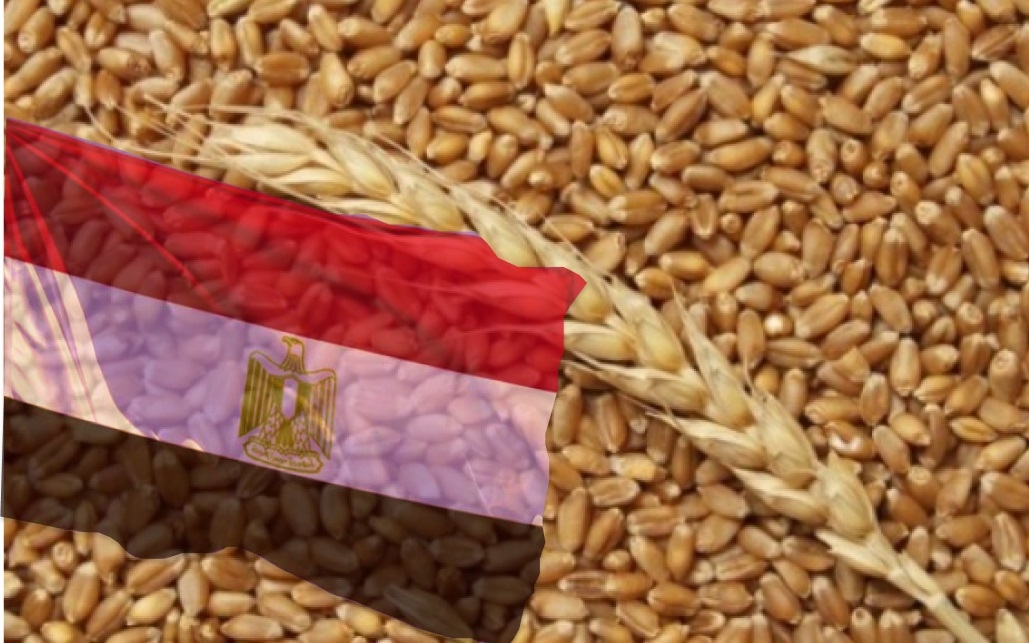
Egyptian farmers will begin harvesting from mid-April, with some provinces starting earlier due to high temperatures that have accelerated ripening. In most regions, the harvest takes place in May and June, but in some areas it will continue until August.
To increase wheat production, ensure the availability of bread and national food security, the Egyptian authorities have developed unprecedented financial incentives and support measures, including the introduction of high-yielding varieties, the distribution of certified seeds, increased agricultural advisory services and efficient use of resources. The number of demonstration sites has been increased to introduce modern irrigation methods, innovative systems such as ridge cultivation. Access to agricultural mechanization services has also been simplified.
As a result, the wheat harvest will grow by 6.5% compared to last year, from 9.2 to 9.8 million tons, which will be the second largest indicator in the country's history, although the average yield will be 6.53 tons/hectare (6.92 tons/hectare last year), the USDA FAS predicts. The increase in production is due to the expansion of sowing areas by 170 thousand hectares to 1.5 million hectares against the backdrop of high purchase prices.
Large sums of money have been invested in the construction and modernization of grain storage facilities and logistics infrastructure, which will reduce crop losses and increase the efficiency of the supply system.
For the bread subsidy program, the State Administration for Raw Materials Supply plans to purchase 4.5-5 million tons of wheat from local farmers in the 2026/27 MY.
According to the FAS forecast, in the 2026/27 MY, Egypt will increase wheat consumption compared to the previous season from 20 to 20.3 million tons due to increased demand for food and industrial products, while consumption for animal feed will remain at 1 million tons.
Despite a decline in inflation rates during 2025 from 21.5% to 2.8%, wheat prices reached record levels amid rising fuel prices, currency depreciation, and increased logistical problems due to the war in the Middle East.
Egypt is one of the world's largest wheat importers and is heavily dependent on supplies from the EU, Ukraine and the Russian Federation. According to estimates by the USDA attaché in Cairo, imports will decrease by 200 thousand tons in the 2026/27 MY to 12.5 million tons, although in the March report it was estimated at 13 million tons.
Over the past 5 years, Ukraine has supplied Egypt with 8.9 million tons of wheat, the EU with 9 million tons, and the Russian Federation with 35.8 million tons. In the current season (which ended on January 31), supplies from Ukraine amounted to 2.2 million tons, the EU with 1.1 million tons, and the Russian Federation with 5.3 million tons. Wheat reserves in the country amount to 4.5 million tons, which is enough for 3 months of consumption.
Recall that Egypt is also an important exporter of wheat flour, especially to Africa and the Middle East. In the 2026/27 MY, flour exports will grow by 20% and will amount to 1.2 million tons (in wheat equivalent). This will be 50% of the volume of flour exports in the 2024/25 MY, as competition from Turkey has intensified and supplies to Sudan have sharply decreased. Currently, the Egyptian authorities are actively working to expand flour exports to neighboring countries, in particular Somalia, Eritrea, Yemen, Madagascar, as well as the Palestinian territories of the Gaza Strip and the West Bank.
