

Wheat stock quotes fell by 10% in two weeks, not reacting to the suspension of sea exports from Ukraine
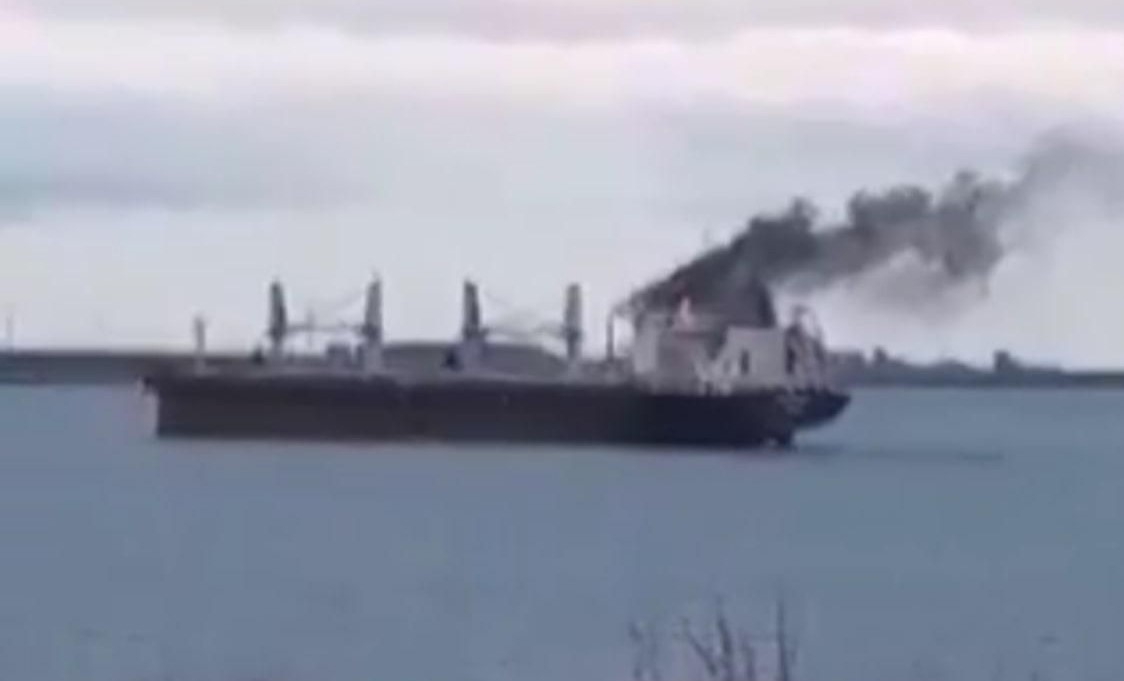
The terrorist troops of the Russian Federation continue systematic shelling of port and transport infrastructure facilities of the Odessa region, as well as civilian vessels in the ports of Greater Odessa and the Danube region, which has practically stopped the calls of vessels to the Black Sea ports of Ukraine and the sea export of grain, ore, and metal products.
The intensity of attacks on Ukrainian port infrastructure is steadily increasing, and in just the first days of August, the following were attacked:
- 5 seaport facilities,
- 3 civilian ships in ports,
- 2 vessels that were in the Ukrainian sea corridor.
In total, during July, the enemy attacked:
- 67 seaport facilities,
- 35 civilian vessels in ports,
- 22 vessels in the Ukrainian sea corridor.
At the same time, not only ships operating on voyages are being attacked, but also those civilian vessels that, due to previous damage, were at berths or anchorages and were not carrying out any cargo operations. This once again confirms the targeted nature of the attacks, the purpose of which is to destabilize the work of Ukrainian ports, create threats to international shipping, and impede the safe functioning of the Ukrainian maritime corridor.
Maersk has temporarily suspended the entry of its container ships into one of the terminals of the Black Sea Fishing Port, explaining this decision by the security situation and the inability of the feeder operator to continue work.
Lloyd's List, a professional publication, assessed the operating conditions off the Ukrainian coast in July as the most difficult since the termination of the Black Sea Grain Initiative in 2023. Experts note that shipowners are increasingly refusing to allow ships to call at Ukrainian ports, which is why the number of available ships is decreasing, and freight and insurance costs are increasing. Therefore, even when the port formally continues to operate, the additional risk premium built into the cost of each ton of cargo reduces the price received by the Ukrainian producer.
The reduction in exports from Ukraine is increasing uncertainty for importers in the Middle East, Africa, and Asia regarding supplies of about 15-16 million tons of wheat and 20 million tons of corn, but world prices have so far practically not reacted to the halt in supplies.
It should be noted that on July 22, on the news of the suspension of ship operations in Ukraine, exchange quotes for wheat in the US rose by 4% to $259/t, but over the past two weeks they have fallen by 10% to $236/t. September wheat futures in Paris then rose by 3% to $278/t, but over the past two weeks they have also fallen by 9.2% to $257/t, not reacting to the suspension of supplies from Ukraine.
At the same time, Russian exporters, which directly compete with Ukraine, are increasing grain supplies, so it is important that the Armed Forces of Ukraine be able to stop sea exports from the Russian Federation and force the Russian authorities to sit down at the negotiating table.
The other day, Ukrainian drones attacked the Russian container ship Yanina, which sank after the strike, and one of the largest transport groups in the Russian Federation, FESCO, announced the suspension of accepting applications for transportation through the Black Sea. And on August 3-4, 2026, near Novorossiysk in the Black Sea, civilian cargo ships Nadezhda and Yaşar, flying foreign flags but owned by Turkish companies, were attacked. As a result of the strikes, fires broke out on the ships. There were 22 sailors on board the Nadezhda (including 13 Turkish citizens), and three or four of them were injured to varying degrees. The crew was evacuated. The Ministry of Foreign Affairs and the country's Maritime Administration expressed deep concern about the spread of hostilities to civilian shipping. Ankara called on the Russian Federation and Ukraine to take measures to guarantee the safety of ships in the Black Sea.
Analysts expect strikes on the ports of Novorossiysk and Taman, which could stop maritime exports from the Russian Federation and influence the Russian Federation's decision to begin ceasefire talks on Ukraine's port infrastructure and ships in the Black Sea.
