

Falling demand for whisky threatens Scotland's barley production
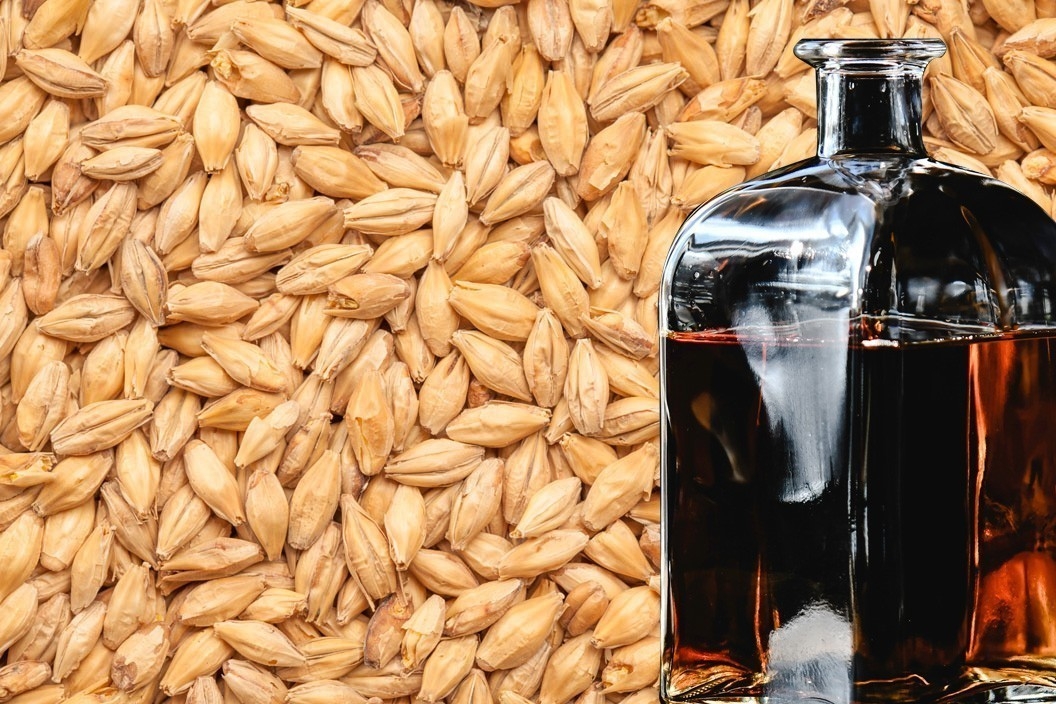
Spring barley accounts for 50% of all agricultural production in Scotland, with more than half of this volume going to the production of malt for the popular Scotch whisky.
However, barley producers are now in the worst situation in decades – malt prices are very low, and demand for it is falling due to reduced whiskey consumption.
Over the past 10 years, Scottish distilleries have been steadily increasing their whisky production, with local farmers growing 700,000-900,000 tonnes of malting barley per year. The development of brewing has helped boost agricultural production. However, the sharp drop in global demand for the drink, caused by rising living costs, reduced consumer spending and alcohol consumption by young people, as well as tariffs imposed by the US, has hit Scotland's agricultural sector hard. Currently, significant volumes of whisky have accumulated in warehouses, but demand for it continues to decline.
Scottish farmers have begun to shift to alternative crops, cutting the area under spring barley by 15% compared to the previous year. Harsh winters make it difficult to grow winter barley, so farmers are opting for spring oats.
Another problem for farmers is their dependence on a limited number of barley varieties. Almost 75% of Scottish malting barley is the LAUREATE variety, which has proven itself well among both farmers and maltsters. However, this dependence makes the industry very vulnerable to disease outbreaks, forcing agronomists to look for alternative varieties and conduct large-scale trials.
The country's agricultural sector is currently in uncertainty, but spring barley remains an important part of the crop rotation, and its crops are in good condition, which allows us to count on a record harvest.
Farmers understand that they need to reduce their dependence on the premium whiskey market and seek other markets for their products to maintain production volumes and profitability.
