

Domestic processing of soybeans and rapeseed in Ukraine has already exceeded exports, and analysts expect this trend to continue.
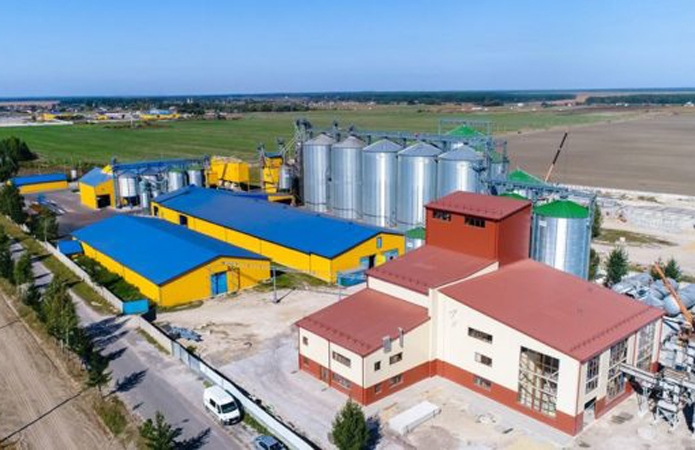
The 2025/26 season has already become one of the most significant and controversial for the Ukrainian soybean and rapeseed markets. For the first time in many years, processors are operating at maximum capacity, while exporters have received the worst conditions in a long time. ASAP Agri experts told Latifundist.com .
During July-November, Ukraine processed about 970 thousand tons and exported 1.2 million tons of rapeseed. Also, from September to November, 860 thousand tons were processed and 650 thousand tons of soybeans were exported. For the first time in the history of Ukraine, domestic processing is catching up and starting to outpace exports. The reasons for this situation are complex. The introduction of a 10% export duty on soybeans and rapeseed in early September reduced the attractiveness of supplies for traders. The delay in the harvest campaign limited the availability of soybeans in the first months of the season. Importers in the EU acted cautiously due to uncertainty surrounding the implementation of the EUDR.
Added to this are the problems of domestic transportation to ports and the general reduction in oilseed production, especially sunflower, whose harvest in 2025/26 MY may be the lowest in the last ten years. In such conditions, plants are forced to actively seek alternative sources of raw materials, which are rapeseed and soybeans.
From July to November, rapeseed exports more than halved, although production decreased by only 200 thousand tons to 3.3 million tons. The main blow to exports was caused by the duty itself, which actually knocked the peak months of the season out of the calendar: in August, exports amounted to only 486 thousand tons (compared to 879 thousand last year), in September - 236 thousand tons (673 thousand tons). Against the background of active imports of Australian canola and its own good harvest, the EU reduced purchases of rapeseed from Ukraine by 1.1 million tons compared to 2.2 million tons for the same period last year.
The situation on the soybean market is even worse. In September-November, exports fell almost threefold compared to 1.7 million tons in the previous season. The biggest declines were in supplies to the EU, Pakistan, and Egypt. Turkey is still holding its ground, but the decline is also noticeable there.
The situation is being pressured by several factors: competition with American soybeans, uncertainty with the EUDR, a 10% tariff, and a low harvest, which this year will be only 5.6 million tons compared to a record 7.1 million tons last year. As a result, exports have become much less interesting, while the domestic market, on the contrary, has become more active.
Against the backdrop of ASAP Agri's forecasted decrease in sunflower production this season to 10.4 million tons, processing capacities of over 20 million tons per year look significantly underutilized. Factories are forced to look for alternative raw materials - and rapeseed and soybeans are covering this shortage, albeit partially.
Rapeseed processing this season could reach a record 1.4 million tons (490 thousand tons last year), and soybeans could grow to 3 million tons (2.8 million tons last year), for the first time exceeding exports, which will amount to 2.2 million tons.
This year, processors often look more attractive to producers, even though exporters are willing to offer a higher price. The reason is simple: against the backdrop of a shortage of raw materials, not only price matters, but also speed of payments, logistical simplicity, and stability of demand — and processors are clearly winning in these parameters so far.
The 2025/26 season is just gaining momentum, but it is already clear that it could be a turning point for the Ukrainian oilseed market. Domestic processing is increasingly displacing exports, and the balance of power in the market is shifting in favor of the plants. The coming years will show whether this is a one-time surge or the beginning of a major transformation of the industry.
In our opinion, in the second half of the season, producers will increase their sales of rapeseed and soybeans for export, adapting to the new export rules, since currently the purchase prices of processors for soybeans and rapeseed are 800-1000 UAH/t lower than those of exporters.
