

The cost of insuring ships operating in the Black Sea has tripled in the last month — FT
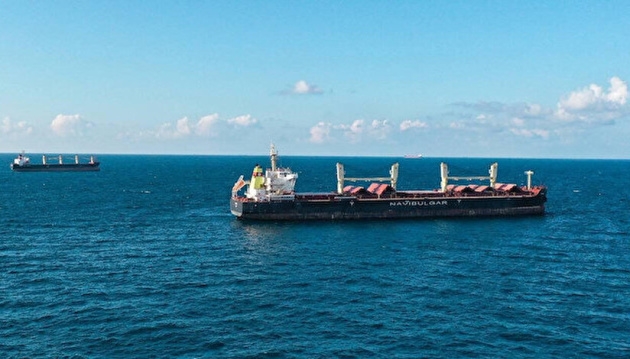
According to insurance brokers, the cost of insuring ships operating in the Black Sea has tripled in the last month and has continued to rise after the latest Ukrainian attacks on ships and ports in the region, Latifundist reports, citing the Financial Times.
The cost of war risk insurance for ships passing through the Black Sea — a key grain and oil trade zone — has risen sharply following Ukrainian attacks on Russian port infrastructure, including the port of Novorossiysk.
According to estimates by brokerage firm Marsh, the price of war risk insurance has risen from 0.25–0.3% of the value of a ship in early November to 0.5–0.75% last week—almost 250%. Another insurance company reported that prices for its clients had risen by more than 200%. The largest increase was recorded for Russian waters of the Black Sea.
Brokers believe that the Russian Federation will continue to escalate its escalation against Ukraine, so they expect further increases in rates in the region.
The tariffs for tankers bound for the Russian Federation and Russian bulk carriers transporting grain and other bulk cargoes have increased the most.
A maritime security expert, who asked not to be named, said the attacks have frightened tanker owners, who fear possible attacks even on vessels engaged in “legal trade.”
Last week, four explosions damaged a tanker owned by Istanbul-based Besiktas Shipping off the coast of Senegal, prompting the company to announce that it was suspending all "flights related to Russia."
Experts suggest that the attack was organized by Ukraine with the aim of undermining the activities of tankers cooperating with the Russian Federation, although this has not been officially confirmed.
"No one would have thought that Senegal could become a zone of increased military risk... This could lead to a general increase in war risk insurance rates outside the Black Sea. Such attacks are becoming more unpredictable," experts say, adding that shipowners fear Russian retaliatory strikes on Ukrainian exports of ammonia and grain.
