

Turkey will sell 4 million tons of grain from reserves on the domestic market, which will reduce import demand
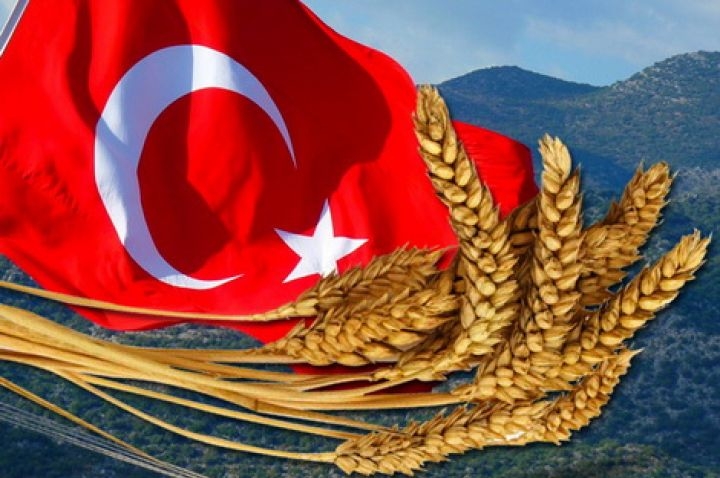
Turkey's state grain agency TMO announced that it will sell 3.9 million tons of corn, barley, food and durum wheat from strategic reserves in February 2026 to curb inflation, stabilize domestic prices, support processors by providing raw materials to bulgur, pasta and flour producers, and support feed producers.
At the same time, TMO will not increase grain selling prices in order to support domestic processors and maintain the export competitiveness of Turkish products, primarily in the pasta segment, as rising costs may worsen export prospects amid increased competition with Egypt, Italy, Spain, and Greece.
The sales volume of durum wheat, a strategic product for the country's export-oriented food industry, will be 1.041 million tons, of which the majority is grain from the 2023–2024 harvests, as well as minor volumes from the 2025 and 2022 harvests. TMO allows some processors to make deferred payments in three tranches.
At the current exchange rate, the average price of grain at TMO elevators is about $320/t, which is $15–20/t lower than domestic market prices, but still higher than world quotations. Such high prices will limit the export of Turkish products.
Domestic prices are also supported by a decline in domestic production. According to USDA estimates, Turkey's wheat and barley harvest in 2025/26 MY decreased by 15%, and wheat production amounted to 16.3 million tons, including durum - about 3.5 million tons. This increases the country's dependence on imports and the use of stocks, while processors and exporters insist on measures to ensure stable supplies and restore positions in foreign markets.
Increased grain supplies from reserves will reduce import demand, in particular for products from Ukraine, which has increased supplies in this direction in recent years, especially during the seasonal increase in supply in February and March.
