

Trump called Iran's response to the peace deal "totally unacceptable," so oil prices resumed growth again
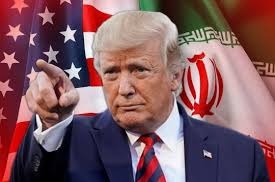
Iran refuses to agree to the US conditions and continues to drag out the negotiation process, hoping that Trump will back down under the pressure of high oil prices and dissatisfaction from Gulf countries, such as Saudi Arabia, which has already begun separate negotiations with Iran, trying to avoid renewed hostilities.
Yesterday, Iran sent the US a "10-point" response regarding the Persian Gulf and the Strait of Hormuz:
1. The US military presence is considered the "main source" of instability.
2. American bases are portrayed as "unable to ensure their own security."
3. Iran says the Strait of Hormuz should be free from the US.
4. Tehran describes a "shared destiny" with the Gulf countries.
5. Foreign powers are declared undesirable in the Persian Gulf.
6. Iran claims that its growing influence is part of a new regional order.
7. Control of the Strait of Hormuz is considered key to security.
8. Iran says it wants to stop "hostile exploitation" of the Strait of Hormuz.
9. New rules and governance promise to promote regional prosperity.
10. Tehran says the new strategy will benefit the Iranian economy.
President Trump tweeted yesterday: “I just read the response from the so-called ‘Representatives’ of Iran. I do not like it, and it is completely unacceptable.”
Earlier, President Trump warned during an interview with Fox News that Iran had days left to accept a proposed peace deal before Washington would resume full-scale military action.
Therefore, we expect the US military to resume Project Freedom to escort oil tankers through the Strait of Hormuz, leading to another military confrontation.
July Brent crude futures fell 6.4% to $101.5/barrel over the last 7 days, but rose to $105/barrel this morning in Asian markets on expectations of a new wave of escalation.
The presidents of the United States and China will meet in Beijing on May 14-15 to discuss the war in Iran and the Russian Federation's war against Ukraine, but it is unlikely that this meeting will lead to additional pressure on Iran or the Russian Federation to make peace.
