

Chicago soybean prices continue to fall after speculative optimism fades
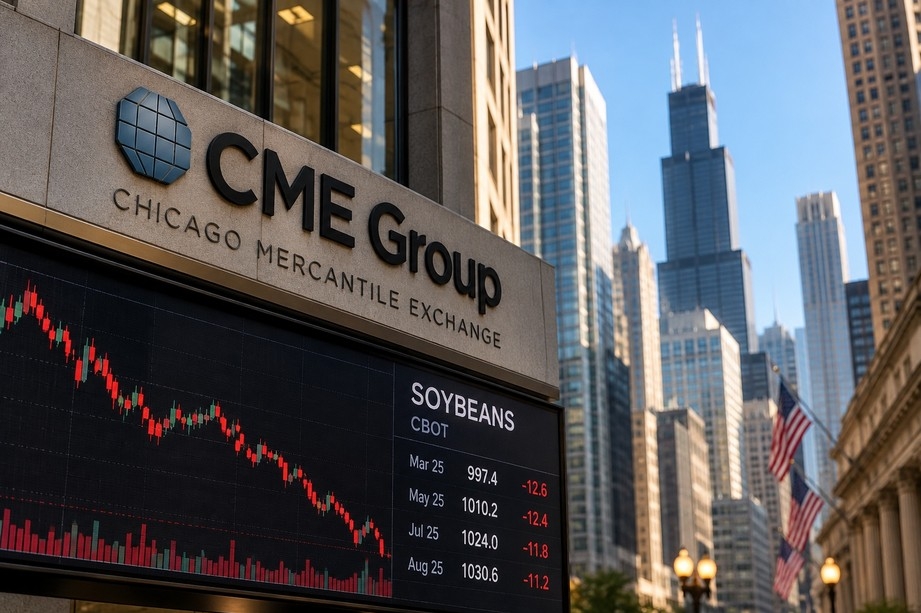
Disappointment with the results of the Trump-Xi meeting , which did not bring new agreements on increasing supplies of American soybeans to China, continues to pressure quotes.
In August, soybean futures rose by 10% in anticipation of Xi Jinping's visit to the US, but have already lost 2.6% in the past week, gradually leveling off the speculative growth of recent months.
November soybean futures in Chicago have decreased by 2.6% to $471.8/t over the past 7 days (-2% per month, but +20% per year).
We expect further declines in quotes amid reduced processing volumes, improved harvest forecasts in the US, and favorable rainfall in South America before planting, which will also put pressure on soybean prices in Ukraine.
According to USDA, 5.7 million tons of soybeans were processed in the US in August, which is 0.27 million tons below market expectations and 5.5% less than in July.
Total U.S. soybean processing for the 2025/26 MY was 72 million tons, slightly below the USDA forecast of 72.3 million tons. End-of-season soybean oil stocks are estimated at 770,000 tons, down 5.1% from last year.
High profitability of biodiesel production against the backdrop of expensive energy sources and insufficient formation of RIN certificates since the beginning of the year may support demand for soybean oil in the US.
At the same time, December soybean oil futures in Chicago fell 5.3% in a month to $1,485/t, although they are still trading 35% more expensive than a year ago.
Dry and warm weather expected in the US over the coming weeks will contribute to active soybean harvesting without significant losses.
StoneX analysts raised their forecast for U.S. soybean production by 2.7 million tons to 126.5 million tons, significantly exceeding the USDA's August estimate of 123.4 million tons.
StoneX also estimates Brazil's soybean harvest in the 2026/27 MY at 183.36 million tons, compared to 180.5 million tons last season.
The rainy season in Brazil has started according to normal, and precipitation has already reached the main soybean growing regions, creating favorable conditions for the start of the sowing campaign and the formation of the new crop.
