

Soybean meal prices in Europe have fallen from record levels following raw material prices
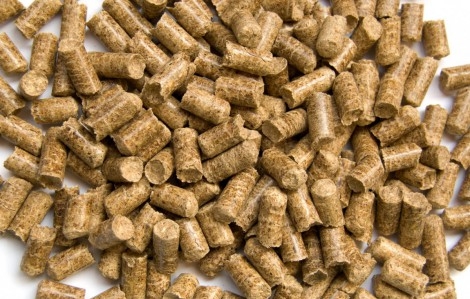
According to Platts, soybean meal prices in Europe reached a record high of €372.5/t FOB Netherlands and €382/t EXW Spain on April 29, up 11.8% and 13.6% respectively from early March prices.
However, in early May, FOB Netherlands prices fell to €364/t amid reduced offers, although prices in Spain remained high.
The sharp increase in prices in March and April was due to the war in the Middle East, which led to a 20-25% increase in freight costs and higher prices for fuel and fertilizers, as well as a reduction in global soybean supplies, especially from the largest producers - Brazil and Argentina.
However, after reaching record levels, meal prices began to fall under the pressure of reduced supply and falling meal quotes on the SWOT.
Meanwhile, in Spain, prices for May deliveries remain €19-20/t higher than June, as the country expects a significant increase in deliveries in the second half of May, which has led to reduced buyer activity. In addition, the market expects prices to decline under pressure from the new crop from South America.
Argentine exporters are at risk of losing one of their main markets after European buyers refused to accept shipments of soybean meal containing a GMO variety banned in the EU. The drought-tolerant HB4 soybean variety is already approved in Argentina and China but is still banned in the EU. The Netherlands, a major hub for imports into the EU, has already rejected several shipments of Argentine soybeans.
In response, Argentine farmers and exporters have begun taking additional measures to separate HB4 from the overall soybean crop. Some fields with this variety have already been identified and placed under quarantine control to avoid mixing, ensuring that the rest of the crop meets European standards.
At the same time, Argentina is trying to convince importers, particularly from the EU, of quality control and security of supply. Soybean exports are a major source of budget replenishment, and last year brought the country $18 billion.
If Argentina cannot reach an agreement with the EU, it will try to redirect its soybeans to other markets, including Asia, where HB4 is permitted. However, the country is working to minimize risks in order to maintain access to the European market, which traditionally buys significant volumes of Argentine soybean meal.
