

Oil prices have risen by 20% in the 6 days of the war with Iran, including by 4.8% yesterday alone
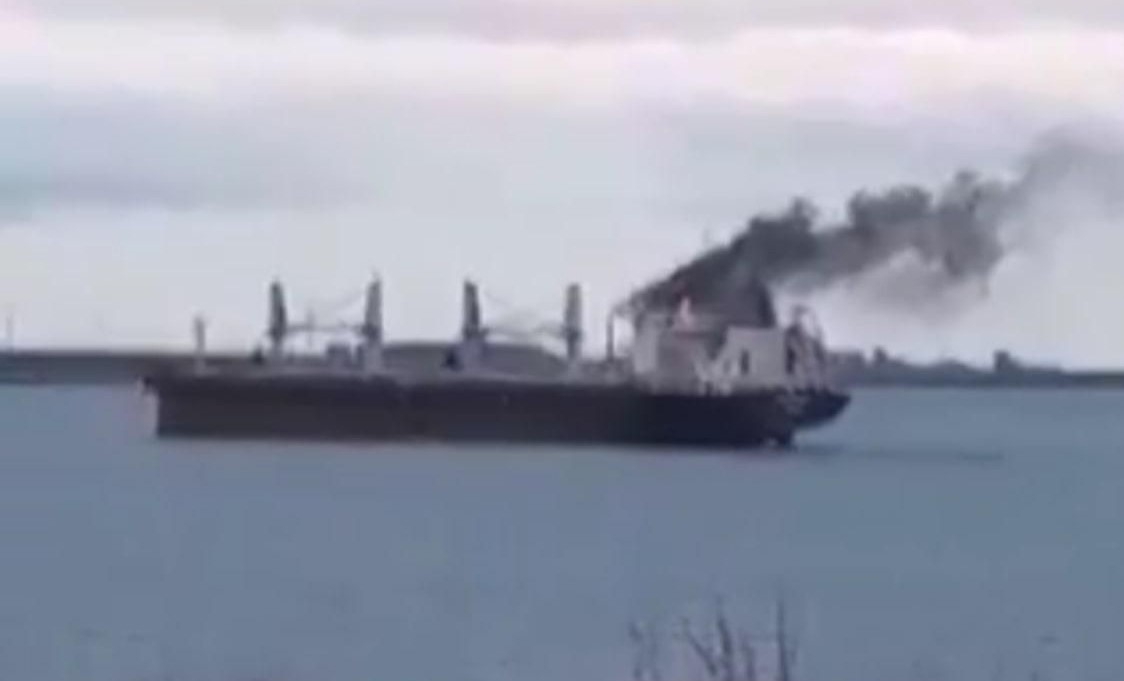
On the sixth day of the US-Israeli war against Iran, fears have again grown that airstrikes will not bring about regime change for the ayatollah. Their threats to destroy all tankers passing through the Strait of Hormuz continue to block shipping and fuel fears of a halt to oil exports from the region, which supplies 20% of the world's oil production.
Meanwhile, the head of the US Central Command (CENTCOM), Admiral Brad Cooper, reported that the US military has already sunk more than 30 Iranian vessels, including a UAV carrier ship. According to him, since the beginning of the war, the number of Iranian attacks using ballistic missiles has decreased by about 90%.
However, the cost of ship insurance has skyrocketed , and President Trump's promised guarantees for ALL maritime trade passing through the Persian Gulf have yet to materialize, so speculators continue to buy oil futures.
May Brent crude futures rose another 4.8% yesterday to $85.4/barrel (+20.4% for the week), and US WTI crude futures rose 7% to $78.7/barrel (+20.6% for the week), which is the highest level in the last 2 years.
Prices were supported by China's decision to suspend diesel and gasoline exports due to the escalation of the conflict in the Persian Gulf, which led to a reduction in global fuel supplies and an even greater increase in fuel prices.
At the same time, speculators need to consider that oil inventories continue to grow, as the closure of the Strait of Hormuz has stopped energy supplies from the Persian Gulf and forced producers who cannot export their oil to continue pumping it into storage tanks.
In addition, there are rumors that Iran is ready for negotiations on giving up nuclear weapons, but the US is increasing its demands. However, if negotiations resume, large volumes of oil will enter the market, which will lead to a decrease in prices.
Overall, the increase in crude oil inventories in floating storage is a negative factor for prices. According to Vortexa, the volume of crude oil stored on tankers that are idle for at least 7 days increased by 20% to 105.48 million barrels in the week of February 20-27.
Also, about 290 million barrels of Russian and Iranian crude oil are currently in floating storage on tankers, which is 50% more than last year.
It should be recalled that, according to the IEA, the global surplus of crude oil in 2026 will be 3.7 million barrels/day, assuming global production at the level of 95-100 million barrels/day.
Rising oil prices are putting pressure on stock indices, which initially affected mainly Asian countries, and yesterday already led to a decline in the US. Therefore, it is very important for President Trump to end the war against Iran as soon as possible, preventing inflationary processes in the US and the expansion of the global crisis.
