

Ukrainian soybean and rapeseed supplies to the EU decreased at the start of the season, but sales are growing
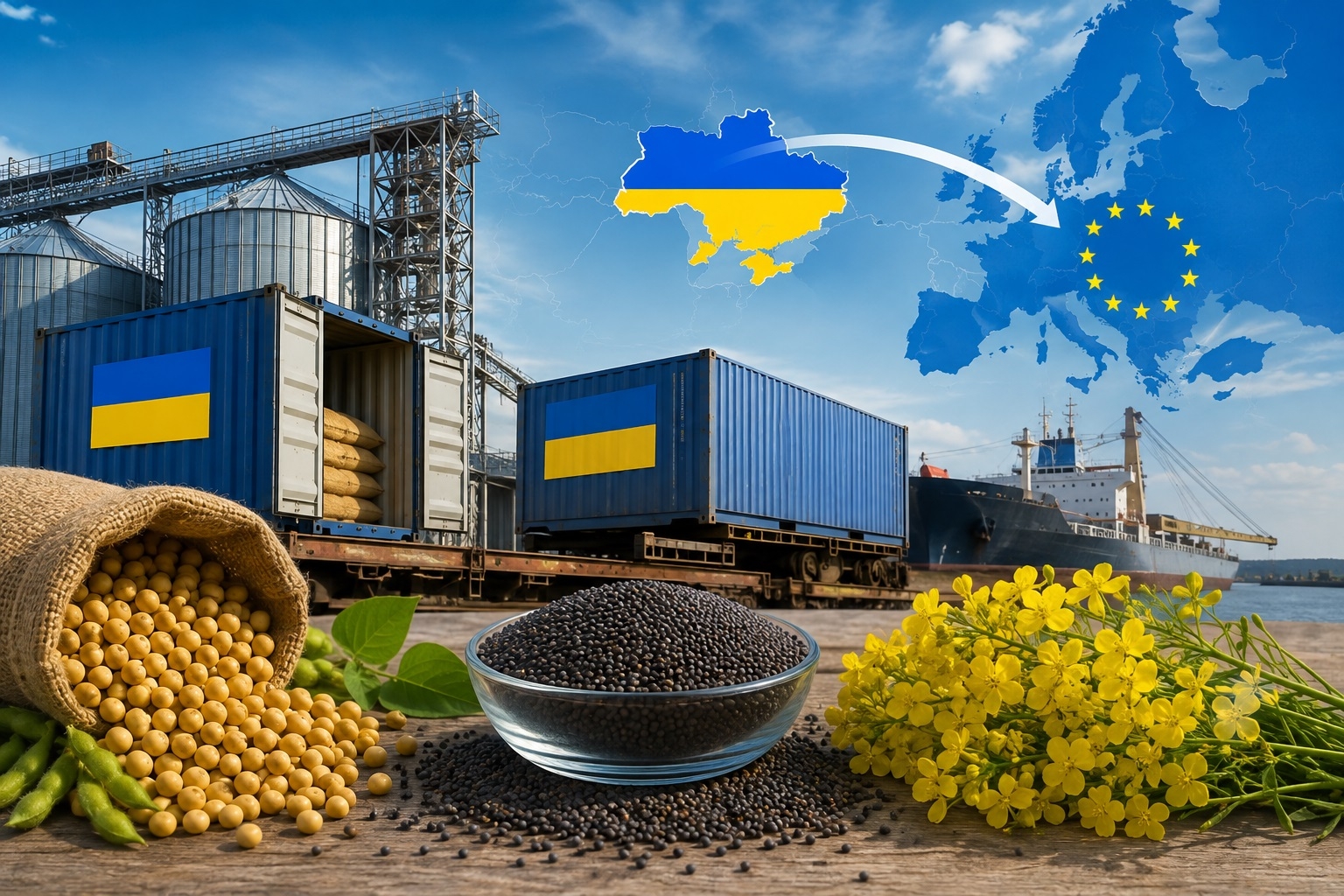
In the 2026/27 MY (as of August 23), the European Union reduced soybean imports compared to the previous season by 25% to 1.71 million tons, in particular, supplies from Ukraine by 71% from 277.1 to 81.6 thousand tons.
The main supplier of soybeans to the EU remains Brazil, which has already shipped 1.48 million tons compared to 1.43 million tons last year. In contrast, imports from the USA decreased from 491.8 to 117 thousand tons. Thus, against the background of a general reduction in purchases, the EU's dependence on Brazilian soybeans at the start of the season has noticeably increased.
At the same time, the EU increased rapeseed imports by 3% to 530 thousand tons, although supplies from Ukraine decreased by 42% from 193.6 to 112.2 thousand tons, which dropped Ukraine to third place among suppliers after Australia (which exported 177.2 thousand tons) and Canada (almost 117 thousand tons).
Moreover, while in the previous season Australia exported 133.2 thousand tons of rapeseed to the EU, there were no supplies from Canada at all. Thus, the reduction in supplies from Ukraine is currently being compensated by an increase in rapeseed purchases from other countries.
Deliveries of Ukrainian soybean meal to the EU compared to the previous season also decreased by 52% from 184.3 to 88.9 thousand tons. Overall, the EU reduced imports of soybean meal by 24% to 2.35 million tons, and palm oil by 23% to 360 thousand tons.
The closure of sea exports from Ukraine is forcing sellers to redirect soybean and rapeseed supplies across the western border directly to buyers in the EU, and now the main task of traders is to organize logistical routes for deliveries by rail and road. Demand prices for rapeseed from the EU at the start of the season were quite high, so Ukrainian sellers actively sold volumes for export, having actually bought up all the European trains for deliveries from the Ukrainian border by December.
Because of this, it is now difficult for soybean sellers to organize logistics for deliveries, so prices will continue to decline due to the increase in logistics costs. Thus, the demand prices for GMO soybeans are $380-400/t with delivery DAP - border or $430-450/t with delivery to Poland or Hungary, and for non-GMO soybeans - $430-440/t with delivery DAP - border or $480-500/t with delivery to Hungary or Austria in November - December.
