

Pakistan allows imports of GMO soybeans and canola, boosting supplies
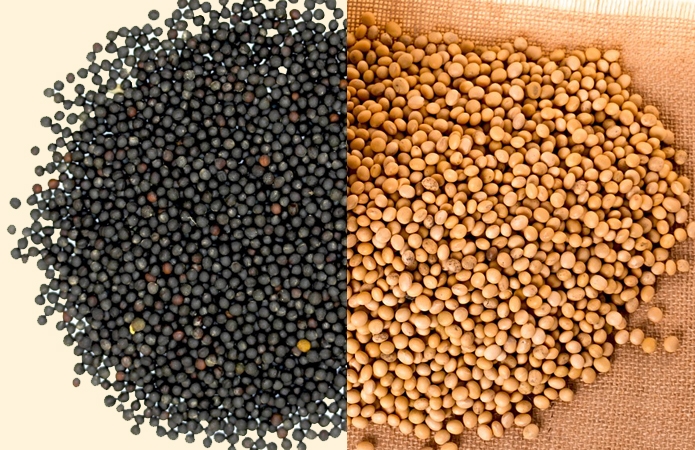
To fill processing capacity amid limited domestic production, Pakistan has approved imports of genetically modified (GMO) soybeans and canola for the 2025/26 MY, World Grain reports, citing USDA FAS. Pakistan’s National Biosafety Committee has allowed imports of GMO canola for food, feed and processing purposes, while the Environmental Protection Agency has extended licenses for imports of GMO soybeans for another year.
Despite programs to support soybean cultivation within the country, the country's own soybean harvest is forecast at 1 million tons, since mass commercial cultivation has not yet reached a significant scale, so its imports in the 2025/26 MY will increase compared to the previous season from 1.97 to 2.4 million tons.
Brazil remains Pakistan's main supplier of soybeans (1.48 million tonnes in 2024-25), followed by the US (294,000 tonnes) and Ukraine (256,000 tonnes). Soybean meal production in 2025/26 MY is expected to increase by 31% to 1.85 million tonnes compared to the previous season, driven by stable imports and high demand from feed mills.
Rapeseed production will increase by 10% to 565 thousand tons, and its imports will increase to 650 thousand tons, as a result of which rapeseed meal production will reach 673 thousand tons.
Rapeseed is mainly processed to produce edible oil and meal for dairy farming.
For the past two years, 99% of Pakistan’s rapeseed and canola has been supplied by Australia, but the approval of GMO rapeseed imports could open up opportunities for Canada to regain market share in 2025-26. Stable soybean imports will also help boost the poultry industry, which has previously suffered losses due to soybean shortages.
