

ASAP Agri experts considered four scenarios for grain exports from Ukraine in the 2026/27 MY
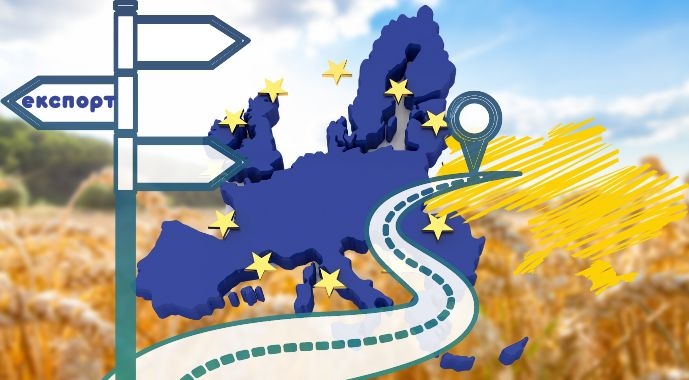
ASAP Agri experts analyzed four scenarios for the export of grain and oilseed crops from Ukraine in the 2026/27 MY and concluded that, depending on the operation of the ports of Greater Odessa and the Danube, exports could amount to 13.8 to 45.8 million tons. The data from the study was published by latifundist.com .
USDA analysts in their August report raised their forecast for the production of major agricultural crops in Ukraine to 85.7 million tons, and ASAP Agri experts raised it to 86.1 million tons due to the adjustment of the wheat harvest. At the same time, USDA lowered its export forecast to 42.6 million tons, ASAP Agri to 45.8 million tons, and the Ministry of Economy estimates it at 38-40 million tons. This means that, despite a good harvest, Ukraine has limited opportunities to export it, which could sharply reduce domestic prices if logistics do not improve in the near future.
According to ASAP Agri experts, there are the following grain export scenarios:
- 1. Without the ports of Greater Odessa and the Danube. In this case, exports will be carried out only by rail and road, and its volume will be about 1 million tons per month and a maximum of 13.8 million tons per season. Exports of wheat, corn and barley will decrease the most, since soybean and rapeseed supplies across the border are better processed. Sunflower will go mainly for internal processing.
- 2. With Danube ports, but without Greater Odessa. In this case, the export volume will increase to 1.6-2.2 million tons per month and will amount to 23.6 million tons per season. However, it will be limited by the low water level in the Danube, the high cost of transshipment, the risks of shelling and dependence on the port of Constanta.
- 3. Partial restoration of the ports of Greater Odessa. If in September the ports operate at 30% of the pre-war level, and from October – at 50%, then through them it will be possible to export another 1.5 million tons of grain per month, which together with the ports of the Danube and land borders will allow for the total export of 2.5-3.7 million tons of grain per month or 38.2 million tons per season. Corn will remain the most vulnerable crop, while wheat and barley supplies will increase significantly.
- 4. Full restoration of the ports of Greater Odessa. If deep-water ports operate at 50% in September, 80% in October, and 100% from November, then total exports will reach 4.5 million tons per month or 45.8 million tons per season, which is a very optimistic scenario.

After the halt in sea exports, alternative logistics have risen sharply in price. For example, the cost of freight for barges from Danube ports to Egypt has increased by $40/t in a month. Rail transportation to Danube ports and transshipment have also become more expensive.
However, traders factor all additional costs into the price, so ultimately it is the farmers who will receive a low price for grain and lower profits.
