

The introduction of the B10 mandate will allow the European Union to replace up to 5 million tons of diesel per year
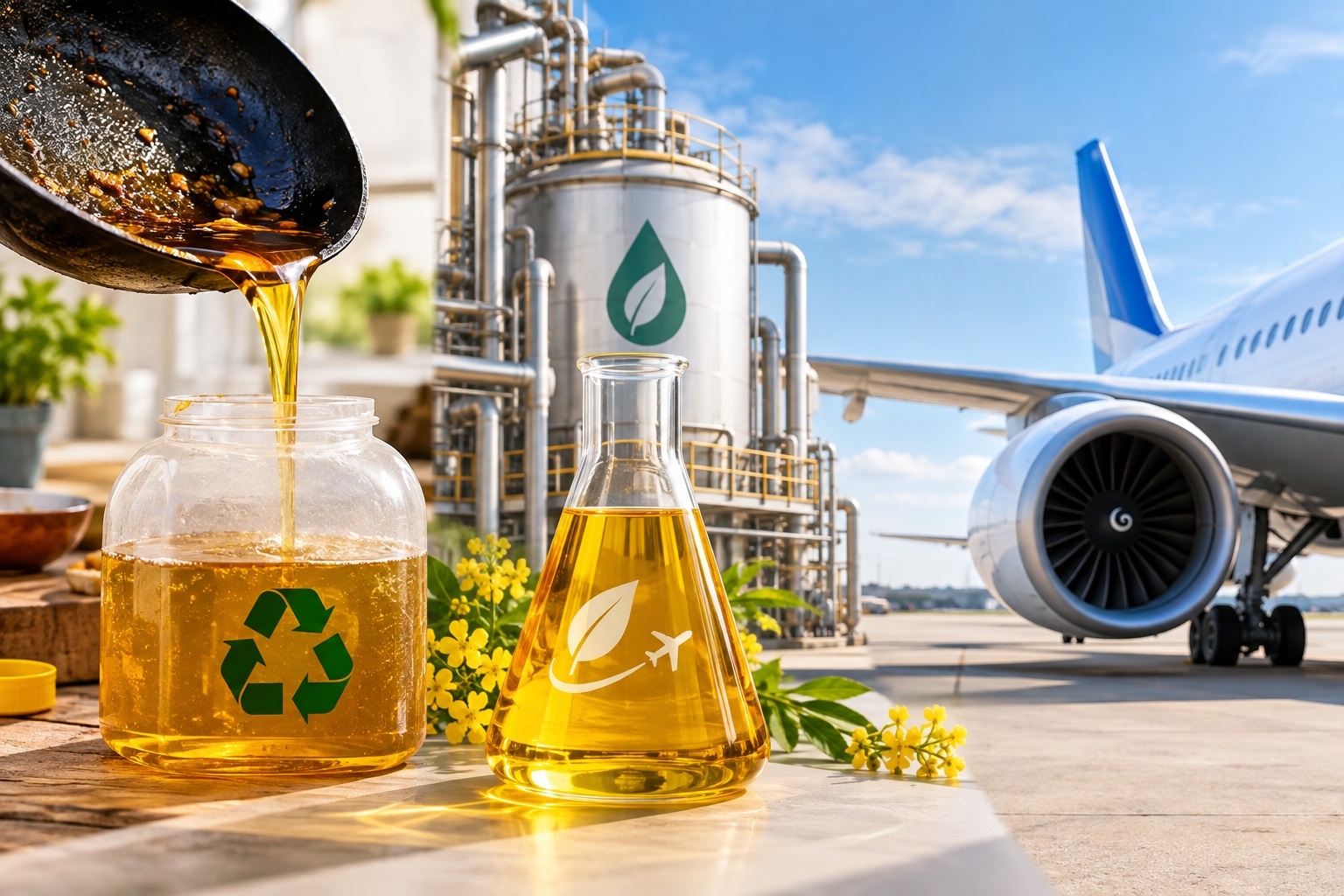
According to estimates by the European Biodiesel Association (EWABA), the transition from B7 to B10 will allow the European Union to replace about 4-5 million tons (or 30-37 million barrels) of diesel fuel with biodiesel, which corresponds to 8-10 days of its consumption by EU cars.
EWABA notes that this is not a forecast of actual consumption, but only an assessment of potential substitution, and proposes to increase the load of operating enterprises and remove regulatory restrictions on the production of fuels with an increased content of biocomponents in order to reduce dependence on external suppliers.
According to Eurostat, in 2023 the EU was 95% dependent on oil imports, and in 2024 32.3% of the EU's final energy consumption was in transport. In Q2 2026, the value of imported oil was 55.8% higher than the monthly average in 2025, while physical supplies grew by only 1.2%.
The use of B10 is covered by the European standard EN 16734, and some countries use such mixtures. In France, B10 is sold, and some fleets have permits for B30 and B100. In Portugal, over 160 petrol stations sell B15. Italy introduced a requirement in 2026 to ensure that B7 is available at least at 30% of petrol stations in each province.
In March 2026, AGQM updated recommendations for the use of fuel blends with increased biodiesel content from 20 vehicle and engine manufacturers.
Outside the EU, biodiesel use is increasing more actively. Indonesia switched to B50 from July 2026, Brazil introduced mandatory B15 from August 2025, and Malaysia began the transition from B10 to B15.
At the same time, EWABA believes that the European RED III directive limits the use of biodiesel from certain feedstocks to 1.7% of transport energy consumption, unless the state has permission to increase the limit. Therefore, EWABA proposes to revise the restrictions, while maintaining strict requirements for the sustainability of the feedstock.
There are currently over 70 waste-to-biodiesel plants operating in Europe, but the association’s capacity is only 50% utilized. To increase demand, EWABA proposes increasing the availability of B10, considering targeted tax measures and maintaining the necessary coverage of the B7 fuel network. According to calculations by German industry organizations, in the first half of 2026, B10 could be 0.03 €/l cheaper than B7, although this depends on market conditions.
EWABA believes that increasing plant capacity will reduce fossil fuel imports, increase employment, and increase waste recycling without building additional infrastructure.
