

In Ukraine, 21% of the planned area has been sown with grain crops
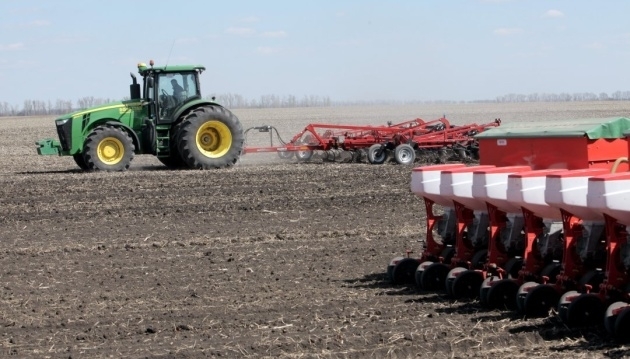
As of April 21, farmers of all categories of farms in Ukraine sowed 1,251.9 thousand hectares or 21% of the planned area with grain and leguminous crops.
On the specified date, the following was sown:
- wheat – 158.8 thousand hectares,
- barley – 623.8 thousand hectares,
- peas – 238.3 thousand hectares,
- oats – 117.5 thousand hectares,
- corn – 75.7 thousand hectares,
- millet – 1.2 thousand hectares.
0.01 thousand hectares of buckwheat have already been sown in the Kharkiv region.
The highest sowing rates were recorded in the southern and central regions.
Currently sown:
- Odesa region - 168.2 thousand hectares (wheat - 10 thousand hectares, barley - 35 thousand hectares, peas - 95 thousand hectares, oats - 1.2 thousand hectares, corn - 0.8 thousand hectares, sunflower - 34.5 thousand hectares);
- Ternopil region - 96.3 thousand hectares (wheat - 13.3 thousand hectares, barley - 58.4 thousand hectares, peas - 4.1 thousand hectares, oats - 4.6 thousand hectares, corn - 14.6 thousand hectares, sugar beets - 16.1 thousand hectares, sunflower - 69.9 thousand hectares, millet - 0.3 thousand hectares, soybeans - 3 thousand hectares);
- Mykolaiv region - 89.4 thousand hectares (wheat - 4 thousand hectares, barley - 47 thousand hectares, peas - 35 thousand hectares, oats - 0.5 thousand hectares, corn - 1.4 thousand hectares, sunflower - 8 thousand hectares, soybeans - 0.3 thousand hectares);
- Poltava region - 86.5 thousand hectares (wheat - 4.9 thousand hectares, barley - 63.2 thousand hectares, peas - 11.5 thousand hectares, oats - 1.9 thousand hectares, corn - 5 thousand hectares).
At the same time, industrial crops are being sown on 440.8 thousand hectares. Sugar beets have already been sown on 125.4 thousand hectares (64% of the planned area), sunflowers - 293.6 thousand hectares (6%), soybeans - 21.8 thousand hectares (1%).
Periodic rains facilitate sowing, but low air temperatures inhibit germination and crop growth, although overall weather conditions are favorable for the development of both winter and spring crops.
