

US and Israeli strikes on Iran and blockade of the Strait of Hormuz have led to a rise in oil prices
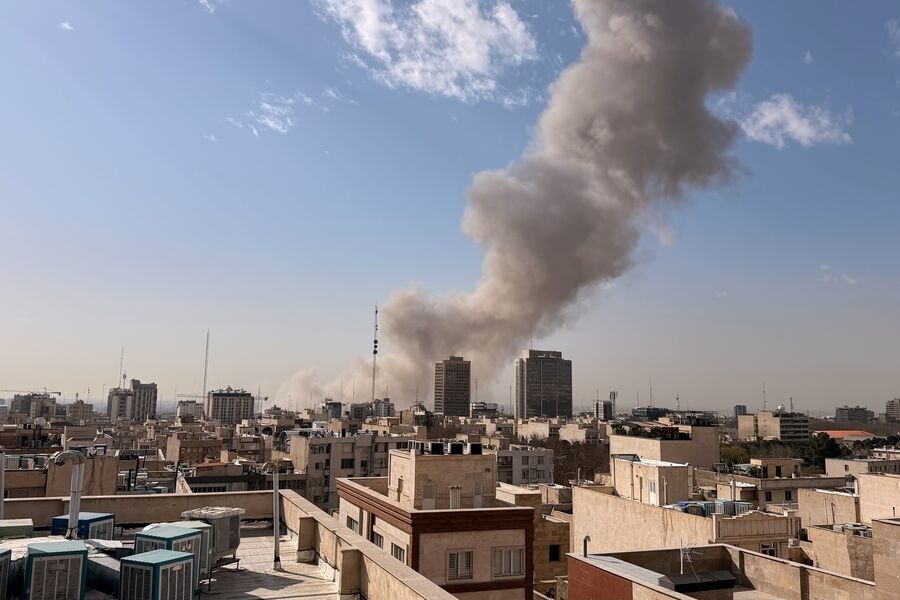
On the morning of February 28, Israel, followed by the United States, began striking Iran using about 200 aircraft. Over a 12-hour period, nearly 900 missiles and drones were fired, destroying the remnants of air defenses and attacking command posts, killing Iran's Supreme Leader Ali Khamenei and top IRGC and army leaders.
In response to Khamenei's death, Iran's Islamic Revolutionary Guard Corps vowed "the most brutal offensive operation in history" against the United States and Israel and launched missiles and drone attacks on Israel and US military bases in Kuwait, the UAE, Qatar and Bahrain. Explosions were also recorded in Oman, Cyprus, Iraq, Jordan, Kuwait, Saudi Arabia and Syria. According to Schizointel, Iran has already launched more than 500 missiles and 600 drones at 11 countries.
Five-star hotels and skyscrapers were damaged in terrorist attacks by Iranian drones in Dubai, Bahrain, and other cities.
The UAE Ministry of Defense stressed that this shelling is a blatant violation of national sovereignty and international law, therefore "the UAE reserves the right to respond to this escalation" and take all necessary measures to protect its territory.
In addition, the Iranian Navy headquarters announced on Saturday evening that Iran is closing the Strait of Hormuz and no civilian vessel will be able to pass through it. On Sunday, March 1, an Iranian Geran-2 kamikaze drone attacked the Palau-flagged oil tanker Skylight in the Strait of Oman, carrying Iranian-Russian oil, forcing the crew to evacuate. Later, another vessel, the MKD VYON, was hit, and both are currently burning near the Strait of Hormuz, while the other nearly 150 vessels passing through the strait have anchored in anticipation of the attacks.
In response to these actions, the US military destroyed three Iranian boat bases and a naval headquarters, and sank nine Iranian ships.
Already today, the Iranian Foreign Ministry stated that "given the needs of international trade, Iran did not and does not intend to close the Strait of Hormuz."
About 20% of global oil supplies are transported through the Strait of Hormuz, so the markets could lose supply in the range of 8-10 million barrels/day (of which about 2 million barrels from Iran), and if alternative routes are used, the cost of delivery to Asia will increase significantly, which will hurt China's economy and increase pressure on the prices of all other goods.
The stock markets are still closed, but over Saturday and Sunday, oil, gas, gold, and silver prices rose sharply by 5-8%, and analysts estimate that oil prices could reach $80-90/barrel.
Russian oil prices may also increase slightly, but the pressure on the Russian shadow fleet will increase, and freight costs will rise, which will prevent the Russian Federation from receiving additional income from rising world oil prices.
Yesterday, the Belgian armed forces, together with the French military, arrested another oil tanker from the Russian shadow fleet. It is now heading to the port of Zeebrugge (Belgium), where it will be confiscated. The Belgian Ministry of Defense emphasized that "without his shadow fleet, Putin will not be able to wage war against innocent Ukrainians, so these ships will be destroyed one by one."
On Sunday evening, it became known that the Iranian authorities had invited negotiations with the United States. At the same time, Ramp stated that “they want to talk, and I agreed to talk. They should have done it earlier. They could have made a deal. They waited too long.” So it is not yet known whether Iran is ready to make concessions.
We expect that the destruction of Iran's radical leaders will force the country's new leadership to agree to negotiations with the US (as the new Venezuelan government did), so the war will end in 5-7 days, and the parties will sit down at the negotiating table again, which will immediately lead to a decrease in oil prices.
In addition, the OPEC+ group of oil producers agreed on Sunday to increase production by 206,000 barrels per day starting in April, a small increase that accounts for less than 0.2% of global demand.
