

Trump told Congress that the US is at war with Iran, which is why oil prices rose by 10%
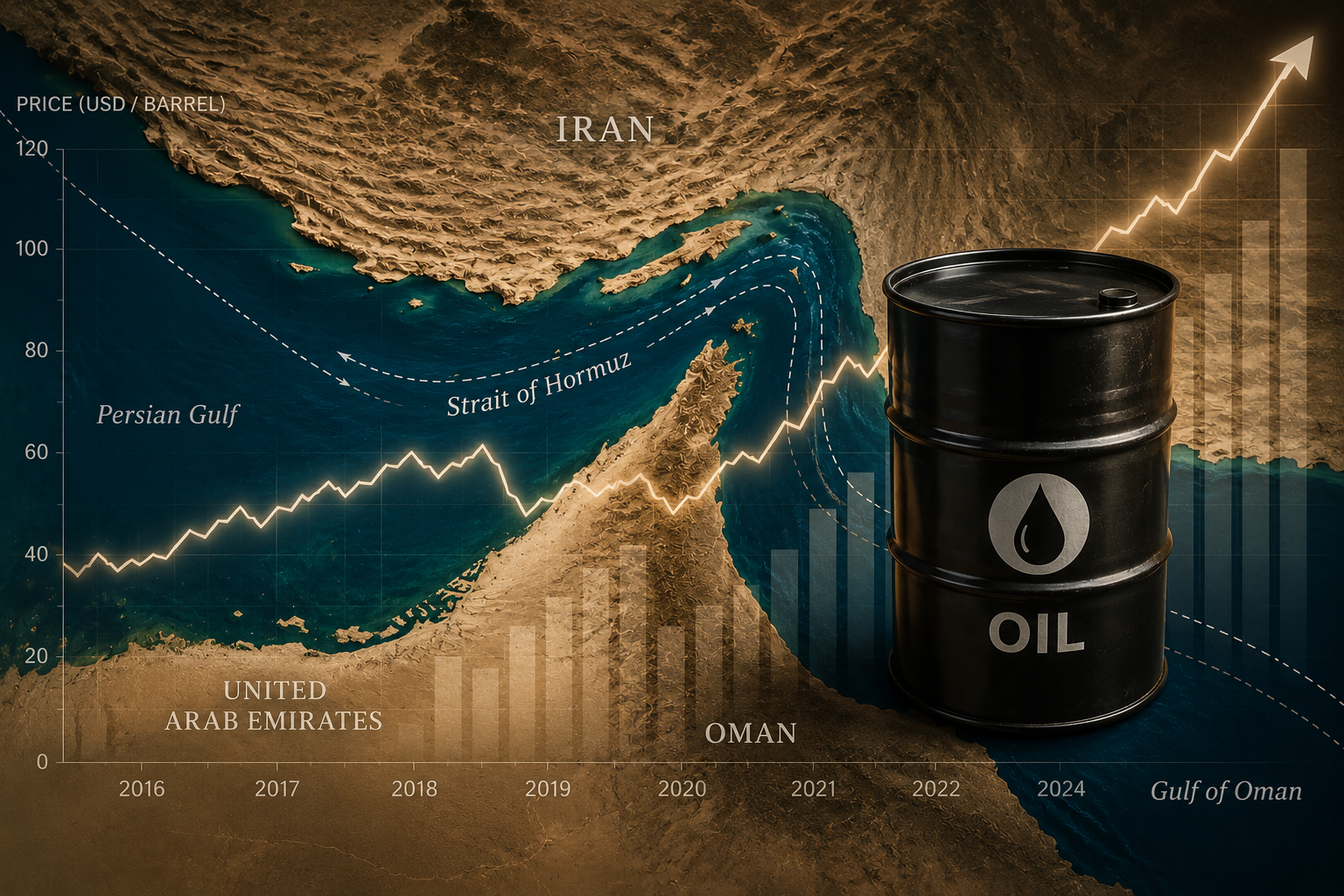
Following the end of a 60-day ceasefire between the US and Iran, President Trump yesterday officially notified Congress that the US is at war with Iran. This allows Trump to use US military forces in the region for another 60 days without congressional approval.
Trump also stated that the US military strikes launched on July 7 were "military actions consistent with his duty to protect Americans and US interests both at home and abroad." In addition, the US is renewing its blockade of Iranian vessels passing through the Strait of Hormuz and will continue to guarantee free passage through the strait for all international vessels.
The US military has attacked military facilities in Iran for the third time in a week in response to its attacks on commercial vessels in the Strait of Hormuz that were traveling on a route "not coordinated" with the IRGC.
September Brent crude futures rose 10% yesterday to $83.5/barrel (+16% for the week), while on July 1 they fell to the lowest level since the start of the Middle East war of $71.8/barrel.
Iran resumed large-scale strikes on neighboring countries, attacking six states in the region at once: Qatar, Bahrain, Kuwait, Jordan, Oman, and the UAE. However, Iran's main enemies - Israel and Saudi Arabia - were not hit this time.
At the same time, KFOR troops began attacking drilling rigs in the Persian Gulf, damaging more than a dozen Kuwait Oil Company rigs in a week.
Saudi Arabia prevented an Iranian plane from landing at Sanaa airport (by bombing the runway), so the Houthis responded by firing missiles at Abha airport in the SA and declaring the ceasefire null and void, threatening to block the Bab el-Mandeb Strait and strike Saudi oil infrastructure. According to Iranian media, they then attacked a tanker in the Bab el-Mandeb Strait.
Ukraine continues to use drones to attack Russian oil infrastructure, sharply reducing crude oil processing. According to Bloomberg, Ukrainian forces have attacked Russian oil facilities more than 50 times this year, striking at least 24 of Russia’s 34 largest refineries. According to EA Analytics, Russian oil processing fell to a 21-year low of 3.91 million barrels per day in the first 10 days of July, and oil production in June fell to a 2.5-year low of 8.928 million barrels per day. The reduction in processing is forcing Russia to increase oil exports, and according to Bloomberg, the average volume of Russian crude oil exports in June rose to 4.13 million barrels per day, the highest since the Russian invasion of Ukraine in 2022.
