

Warm weather in the US, precipitation in Brazil and northern Argentina, and snowfall with frost in Ukraine will affect markets in the coming weeks
Last week, the Midwest and Plains of the United States experienced warm weather with temperatures above freezing and precipitation in the form of rain and sleet, which improves moisture reserves in winter crops. According to forecasts, temperatures will begin to gradually decrease this week, and frosts of 10-15 degrees are expected next week, which will not be critical for winter crops.
The water level in the Mississippi River is low, which is hindering shipping and causing traffic problems, but it is not critical, and the precipitation that has passed last week and will continue this week will improve the situation.
Scattered rains are occurring across Brazil, improving soybean crop potential. They are forecast to continue for the next 7-10 days, which will be crucial for crop formation, especially in January when pods will be filling.
Northern Argentina is also receiving good rainfall, but southern and central Argentina has been below normal in recent weeks. Despite the reduced rainfall, soybean and corn crops are developing normally as temperatures remain within normal limits and soil moisture reserves are sufficient.
According to the Buenos Aires Grain Exchange, a drought that has been ongoing since last month has damaged the 2025/26 corn crop in northern La Pampa and western Buenos Aires province. However, the moisture deficit is expected to be significantly reduced in the coming days thanks to rainfall that will be very important for the key agricultural region.
Argentina is the world's third-largest corn exporter. The Grain Exchange estimates the area sown at 7.8 million hectares and the harvest at 58 million tonnes.
At the same time, widespread rainfall is expected in the agricultural regions of Argentina in the coming days, with the western territories likely to receive 50 to 100 mm of rain, which will help restore the development of corn and soybean crops.
Currently, 88.3% of the 17.6 million hectares allocated for this crop have already been sown with soybeans, and the harvest is forecast at 48.5 million tons.
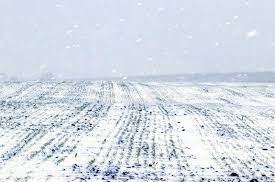
Ukraine experienced heavy snowfalls last week, which covered fields with winter crops, so a drop in temperatures to -10…-15 degrees will not threaten crops. However, the snow will not allow corn harvesting to continue, and 9% of the areas will remain unthreshed.
Cold weather is expected this week with frosts of -5-15, but snow and a slight easing of frosts are forecast for the end of the week. Russian shelling continues to destroy electricity and heat generation in large cities, so heat supply has not yet been restored in many areas, and prolonged cold weather increases risks to the infrastructure of large cities.
