

Barley prices in Ukraine continue to decline, but market stabilization is expected this week
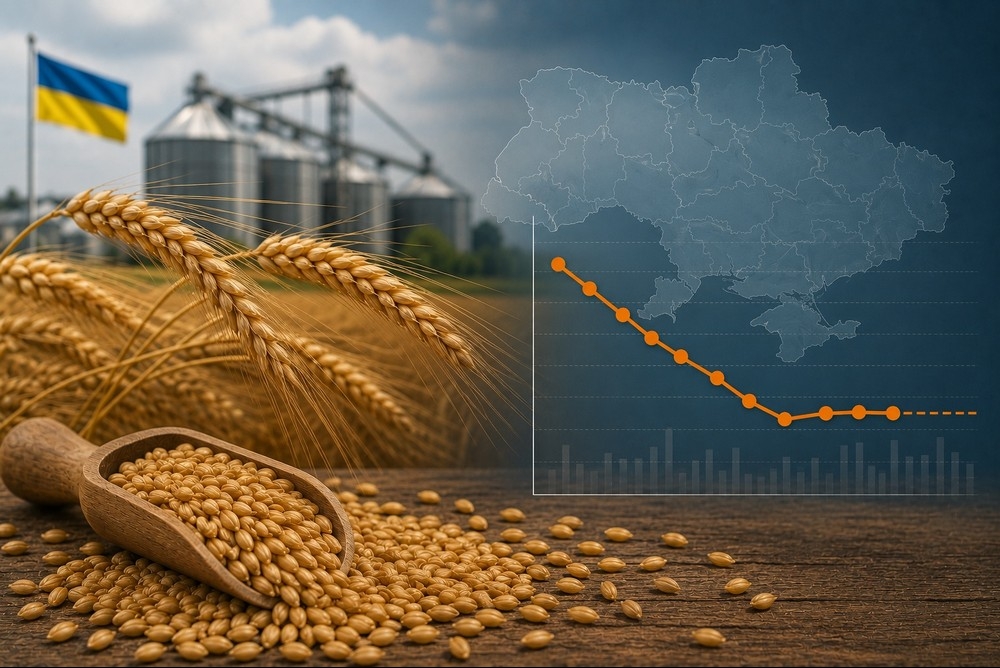
Hot weather accelerated the ripening and harvesting of winter barley in Ukraine, which led to a strong increase in grain supply on the domestic market. At the same time, limited export demand is forcing traders to lower purchase prices, which increases the competitiveness of Ukrainian barley on the world market and allows exporters to increase sales volumes.
Last week, purchase prices for feed barley in Ukraine continued to decline. By the end of the week, export prices for barley dropped to 9,100–9,500 UAH/t or $180–188/t with delivery to Black Sea ports.
On external markets, barley demand prices have decreased to $230–235/t for delivery to Spain and the Middle East, while prices for delivery to China are $255–260/t. At the same time, a sharp increase in corn prices in Europe due to heat in France and Germany may contribute to an increase in demand for cheaper feed barley as an alternative component of feed rations.
An additional factor supporting domestic prices may be weather conditions in Ukraine. Forecasts of rainy and cool weather over the next 7–8 days may slow down the pace of harvest and grain deliveries to ports.
This situation creates risks for exporters who have already signed contracts for the supply of cheap barley. In the event of a delay in deliveries, traders will have to intensify purchases and raise prices in order to timely form the necessary export consignments and fulfill contractual obligations. Therefore, after a sharp drop last week, the market may stabilize this week.
According to Agritel, in France, the premium for spring malting barley continues to increase and has already reached €37/t compared to feed barley prices. Spring malting barley prices have increased to €223/t FOB, while winter feed barley prices for July delivery have decreased to €186/t or $212.6/t.
Meanwhile, August corn futures on the Euronext Paris exchange jumped to €235.25/t or $268/t. The significant price gap between corn and feed barley may encourage European consumers to use barley more actively in feed rations, which could support demand in the coming months.
Weather conditions in Australia remain favorable for the development of winter barley crops. Despite the onset of El Niño, which usually contributes to drier conditions in the country, sufficient rainfall has maintained a good crop condition. This remains one of the factors holding global barley prices low.
