

Soybean prices in Ukraine continue to rise, but only due to domestic demand
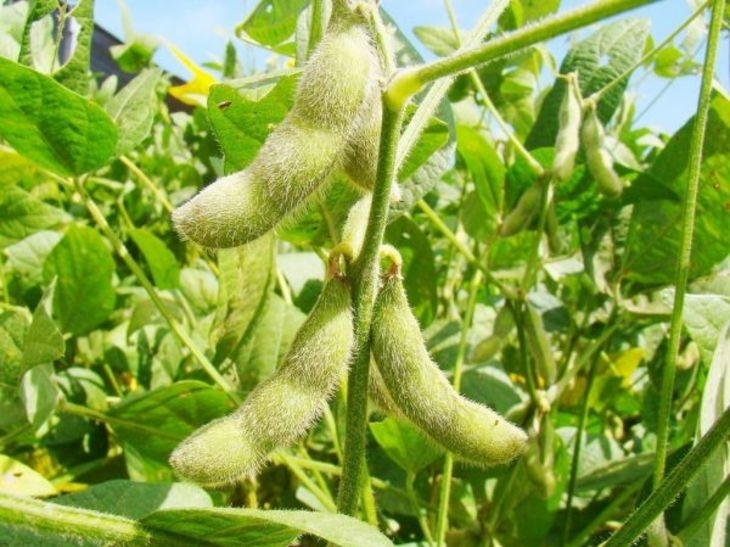
In Ukraine, there remains significant demand for soybeans from processors, who continue to raise prices to attract volumes, despite the decline in export demand at ports. An interesting fact this season was that in the domestic market of Ukraine, prices for GMO soybeans have almost equaled prices for non-GMO soybeans.
Soybean prices are also supported by the increase in sunflower prices to seasonal highs, which keeps meal prices high on the domestic market.
Over the past week, purchase prices for GMO soybeans increased by another 300-500 UAH/t to 20,500-21,000 UAH/t ($415-423/t excluding VAT) delivered to the factory, while prices for non-GMO soybeans remained at 20,500-21,200 UAH/t delivered to the factory.
Due to supply shortages, traders are scaling back soybean export programs, so export demand prices for GMO soybeans have decreased by another $5/t to $430-435/t delivered to ports, while export prices for non-GMO soybeans remain at $455-460/t delivered to ports. The most active export demand for non-GMO soybeans is currently observed on the western border, where exporters are offering $460-465/t DAP for it.
Soybean meal demand prices remain at $370/t with delivery to ports and $390/t with delivery to the western border, and soybean oil prices are $1,250-1,270/t with delivery to Romania or Germany, but with increased quality requirements for biodiesel plants.
The world market is gradually being saturated with the supply of soybeans and soybean meal from South America, which is putting pressure on prices, including export prices in Ukraine.
According to AgRural, as of April 14, soybeans in Brazil have been harvested on 90% of the area, and the harvest forecast is 179 million tons, so supply continues to grow, as a result of which export prices decreased by $10-20/ton to $390-410/ton FOB.
May futures for US soybeans in Chicago have been trading at around $430/t for a month, but November futures are trading at $423/t in anticipation of increased harvests in South America and the US.
According to NOPA, soybean processing in the US increased by 8.3% compared to February to 6.16 million tons, which was 16.25% higher than in March 2025 and became a record volume for this month, although lower than forecast. At the same time, soybean oil stocks at the end of March decreased by 2% compared to February to 926 thousand tons, which was 36% higher than the corresponding figure last year and confirmed low demand from the biofuel industry.
China's SunSirs Commodity Analysis Center reports, citing data from the State Administration of Customs, that soybean imports in March amounted to 4.019 million tons, and in total in the 1st quarter of 2026 - 16.584 million tons, which is 3.1% lower than last year's pace due to reduced supplies from the US and delayed supplies from Brazil.
Soybean meal stocks in China are declining, and during April they will decrease by another 100 thousand tons to 500 thousand tons, which will exceed the corresponding figure last year by 400 thousand tons, and the 3-year average by 200 thousand tons.
Recall that soybean meal stocks in China have been steadily increasing from June (400,000 tons) to December (1.2 million tons) amid active soybean supplies from Brazil and the US. This means that China will now increase imports of cheap Brazilian soybeans, which will stop the fall in prices in Brazil.
