

Oil prices started the week with a sharp drop amid claims of a possible peace deal between the US and Iran
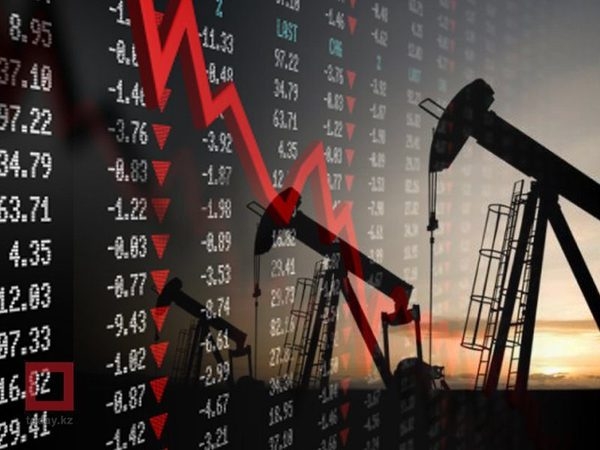
Last week, analysts expected the US to launch new strikes on Iran to force its government to give up its nuclear weapons. This led to oil prices rising to their highest levels since the war, but during the week, there were more and more reports from the American side about the possibility of a peace deal, so prices fell.
July Brent crude futures closed at $103.5/barrel on Friday, down 5.3% over the week, but fell another 5.6% this morning after trading opened on Asian markets to a 2-week low of $98/barrel.
President Trump refused to attend his eldest son's wedding, which took place over the weekend, explaining this by the need to conduct a large number of negotiations, although some analysts linked this to plans to resume strikes on Iran, which does not agree to the US conditions and throughout the week continues to insist on control of the Strait of Hormuz and the importance of developing its nuclear program.
But over the weekend, Trump made several statements that the Iran deal was almost ready and would be signed very soon. He held phone calls with the leaders of Israel, the UAE, Saudi Arabia, Qatar and Pakistan and assured them that the US wanted a peaceful settlement, and he also called on several Muslim and Arab leaders to join the “Abraham Accords” with Israel, as they would end the war with Iran.
This call is aimed primarily at securing an agreement to normalize relations between Saudi Arabia and Israel, although serious political obstacles remain.
According to media reports, the peace agreement between the US and Iran provides for a ceasefire, the opening of the Strait of Hormuz and the partial unblocking of blocked Iranian assets, as well as the start of negotiations on Iran's refusal to create nuclear weapons. As of Sunday evening, the memorandum between the parties was 95% agreed upon.
Speaking on May 24, Iranian President Masoud Pezeshkian said Tehran was ready to assure the international community that Iran did not seek nuclear weapons and remained open to cooperation, but stressed that any future talks should not undermine the country's dignity or national pride.
He also accused Israel of destabilizing regional security and attempting to advance the policy of "Greater Israel" by continuing the conflict in the Middle East.
It should be noted that Iran's secular authorities had previously advocated negotiations, but the IRGC military, which now effectively rules the country, continued shelling.
Reuters writes, citing analysts, that it will take several months to restore normal oil flow through the strait, as well as repair damaged oil and gas facilities, so JPMorgan experts expect the average oil price by the end of the year to be $97/barrel if the strait is opened in early June.
Some analysts are skeptical of the statements about a peace agreement, considering Trump's statements a game on oil quotes, since Trump has promised an agreement several times, but Iran has not confirmed the conditions announced by Trump.
