

The US and Iran have not agreed to open the Strait of Hormuz, so oil prices remain high
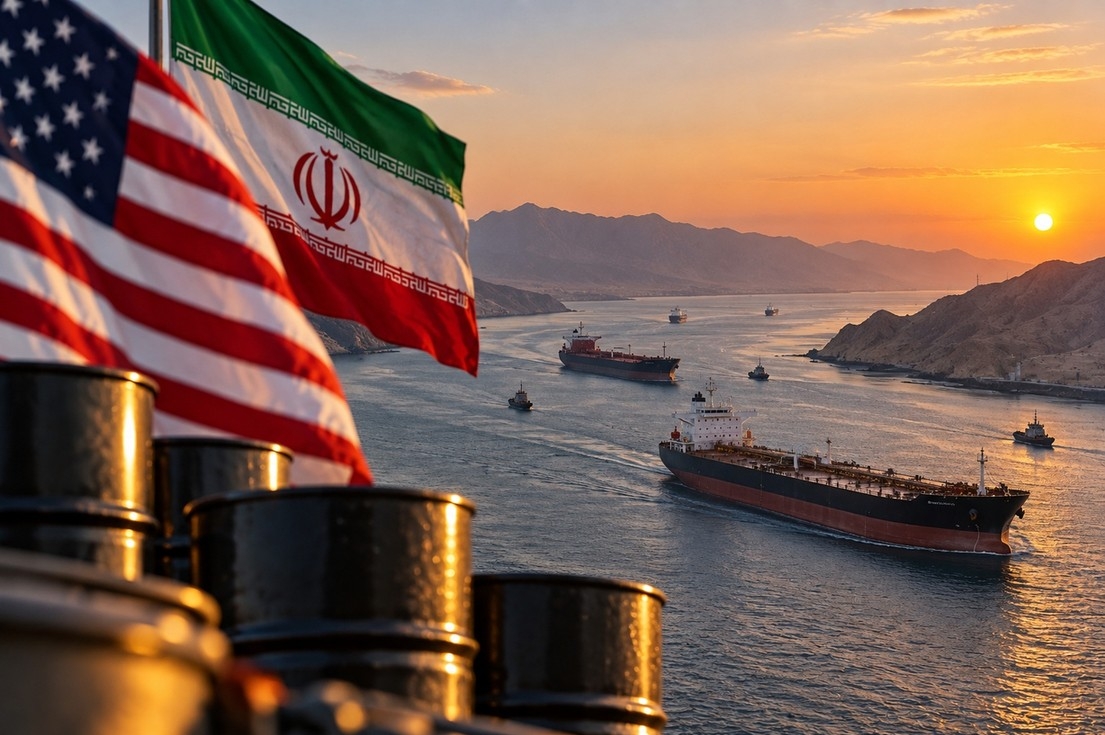
Negotiations around the UN General Assembly in New York last week heightened expectations of a diplomatic settlement of the conflict between the US and Iran, which put pressure on oil prices throughout the week.
November Brent futures ended the week near $104.1/barrel (+18% month-on-month), although they had fallen below $100/barrel during the week. On Monday, prices again exceeded $105/barrel after it became clear that there was no agreement yet to resume normal shipping through the Strait of Hormuz.
Iran, through intermediaries, offered to open the Strait of Hormuz within seven days and cease hostilities in exchange for lifting the blockade of Iranian ports, unblocking frozen funds, and easing US oil sanctions.
According to The Wall Street Journal, US President Donald Trump has rejected the proposal and is allowing renewed strikes on Iran after the midterm elections in November. At the same time, Tehran has stated its readiness to continue diplomatic contacts.
Oil shipments through the Strait of Hormuz have rebounded significantly in recent weeks, but independent estimates remain lower than the US administration has said. Saudi Arabia has sharply increased shipments through the Persian Gulf, but overall shipments from the region are still below pre-war levels.
The US blockade of Iranian ports has virtually stopped new shipments of Iranian oil from reaching China and continues to put pressure on Iran's economy. At the same time, China's seaborne oil imports in September remained below pre-war levels of about 10.5 million barrels per day.
Oil prices are being further supported by the worsening situation in Yemen, where the Iranian-backed Houthis continue to launch missile and drone attacks on Saudi Arabia, raising risks for alternative oil export routes across the Red Sea.
Therefore, the lack of agreement between the US and Iran on the Strait of Hormuz and the expansion of the conflict in the region continue to maintain a significant geopolitical premium in oil prices.
