

Favorable rainfall has allowed the area under winter crops in India to increase to record levels
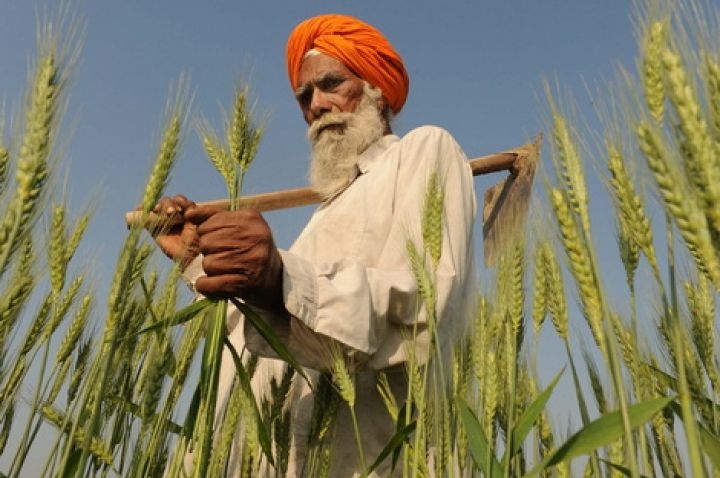
Indian farmers have increased plantings of winter crops including wheat, rapeseed and chickpeas to near-record levels as this year's heavy monsoon rains improved soil moisture and raised reservoir levels, allowing fields to be cultivated even in areas that typically see dryland farming and often remain fallow.
The large sowing area is expected to help India (the world's second-largest wheat producer) increase production, lower domestic prices and allow limited exports of wheat flour. At the same time, the increase in rapeseed production will help the world's largest oilseed importer reduce its foreign purchases.
According to the Ministry of Agriculture, in the current season (from October 1), the area sown with winter crops increased by 6.1% compared to the previous year to 47.9 million hectares, in particular:
- wheat – by 10.8% to 24.14 million hectares,
- rice - by 11.4% to 1 million hectares,
- rapeseed – by 4.5% to 8 million hectares,
- chickpeas – by 3.5% to 7.8 million hectares.
Wheat in India is grown mainly in the northern states of Punjab, Haryana, Uttar Pradesh and the central state of Madhya Pradesh. India's key wheat-growing northwest region received 161% more rainfall than usual in October, leading to an overall surplus of 49% in the country's crop for the month.
USDA experts in their December report increased the forecast for India's wheat harvest by 0.4 million tons to 117.95 million tons, which will be 4.1% higher than last season.
Rapeseed is the main oilseed crop grown in India as a winter crop. India imports almost two-thirds of its demand from palm, soybean and sunflower oils, mainly from Indonesia, Malaysia, Argentina, Brazil, the Russian Federation and Ukraine, so increasing rapeseed production could help the country reduce imports.
In case of favorable weather, especially from mid-January to mid-March, the yield of winter crops can increase significantly, experts believe.
According to the India Meteorological Department, the La Niña weather phenomenon, historically associated with colder-than-normal winters in northern India, is likely to persist from December to February.
