

Heat in the US and precipitation in Canada, the EU and Brazil will be the main factors influencing grain and oilseed markets in the coming weeks
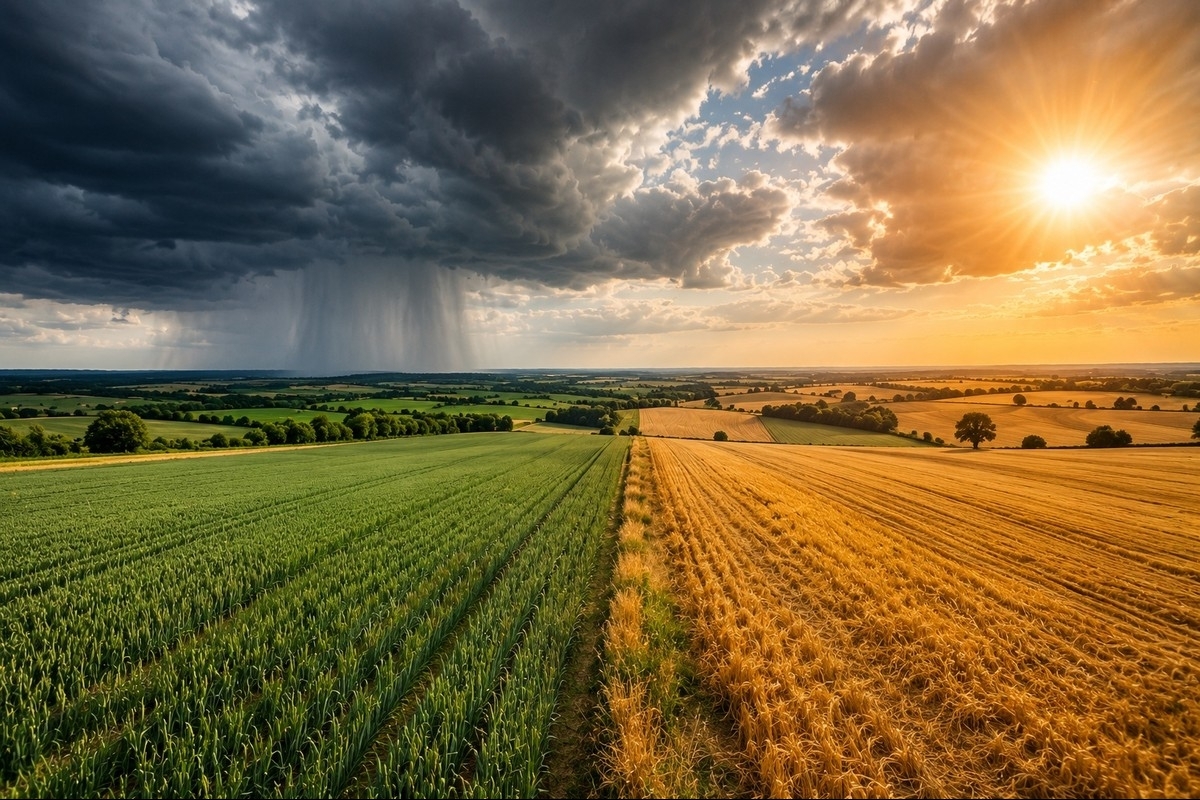
After good showers last week, a wave of hot weather with temperatures of 33-35 degrees will cover the Midwest and Plains of the United States in the next 7-8 days, which may cause stress for soybean and corn crops, especially in areas where there was not enough precipitation before, but overall it will accelerate the drying and ripening of plants and the beginning of harvest.
According to the USDA, as of August 30, 57% of the US corn crop was in good or excellent condition (69% last year) and 58% of the soybean crop was in good or excellent condition (65% last year), so the USDA's updated soybean and corn crop forecasts may be more optimistic than analysts have been providing recently. Hot weather will be unfavorable for winter wheat planting, but weather forecasts promise precipitation in 10-12 days.
This week, Canada's prairies have been blanketed by rain that will continue for another 5-6 days, which will negatively affect the crop that has already begun to be harvested and may lead to problems with the quality of the ripened grain. But overall, the condition of the crops is quite good, and the harvest forecasts are increased, so we are watching to see if the weather will allow the canola and wheat harvest in the country.
Since the beginning of September, central Brazil has been hit by rain and showers, which will continue into next week, although the rainy season usually begins in October. This will help to accumulate moisture before the start of soybean and corn planting, as well as the development of maturing wheat crops. In the southern regions, abundant rainfall in the past few months will allow soybean planting to begin in favorable conditions and encourage farmers to increase the area under soybeans.
Several fronts also passed through Argentina , but they did not bring heavy precipitation that would improve the condition of winter wheat crops. Sowing of corn and soybeans will begin in October-November, and by that time it is possible to accumulate sufficient moisture.
Northern Europe will see rain and showers this week and next, spreading across the continent and helping winter rapeseed and wheat planting. The rains will not help improve the condition of corn and soybean crops, but may partially improve the condition of sugar beet crops.
Much of southeastern Ukraine and southwestern Russia experienced limited precipitation and above-normal temperatures in late summer, reducing the potential yield of sunflower, soybean, and corn, and delaying the sowing of winter rapeseed. In the next 7-10 days, cyclones from Europe will bring precipitation that will be beneficial for winter crop planting and relieve stress on soybean and sunflower crops.
Australia continues to receive rainfall, albeit on a smaller scale, which continues to improve the wheat, barley and canola crop outlook, but we are watching to see if the El Niño with dry weather will have a negative impact on winter wheat and canola over the next few weeks as the crops enter their reproductive stages.
China's main agricultural regions, where corn and soybeans are grown, have received sufficient rainfall this summer, which has largely contributed to the formation of a good harvest. Dry and warm weather is expected over the next week, which will facilitate the start of harvesting.
