

Romania plans to tighten control over freight train traffic to the port of Constanta
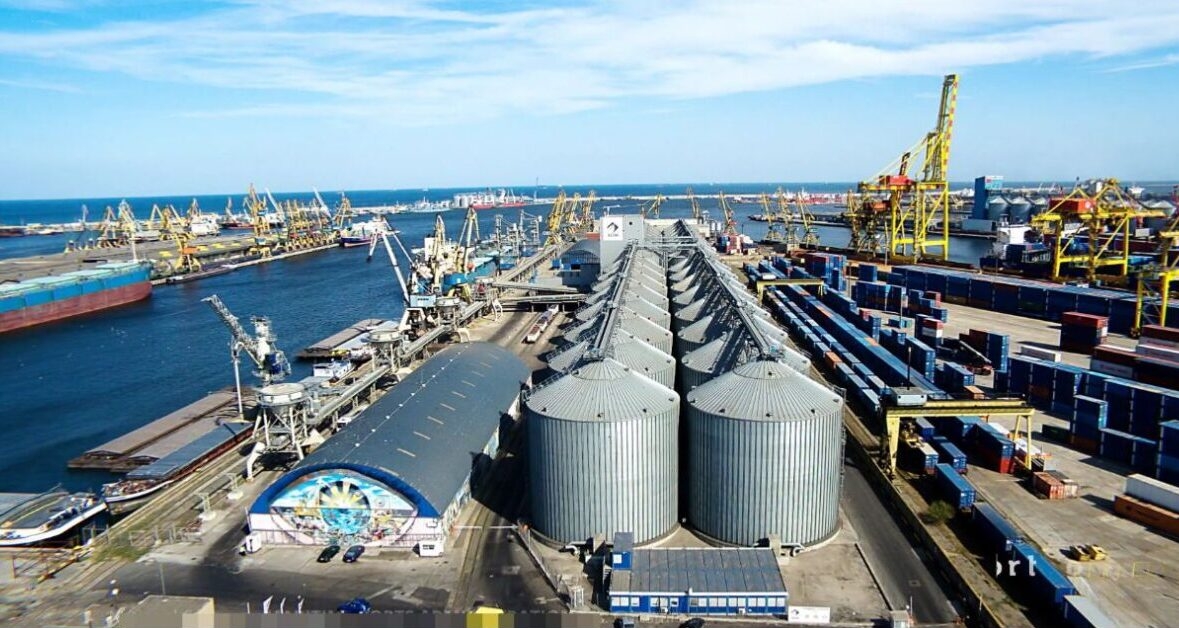
The Romanian Ministry of Transport has developed an order that will improve the organization of freight train traffic to the port of Constanta, which will allow for streamlining rail transport and reducing the downtime of wagons on the approaches to the port. The new rules will limit the acceptance of trains that operate outside the agreed schedule and prohibit their extraordinary maintenance.
All stages of freight transportation – from the arrival of ships and shunting operations at the port to rail transportation across the country and the presentation of wagons for loading – will now be planned more clearly. The main principle will be compliance with the agreed traffic schedules. Therefore, trains moving outside the schedules will not have priority over those occupying a certain place in the queue.
The order also allocates responsibility for traffic delays depending on the cause. Railway and port operators will not be subject to fines in case of delays caused by the state railway operator CFR, and will be able to take another train instead of the delayed train. If the railway carrier is to blame for the delay, it is he, not the maritime operator, who will receive the fine.
There are heavy fines for operating outside the agreed queue. In addition, operators may lose their place in the loading queue. Under the current rules, certain trains received priority, while others waited for a long time on the approaches to the port, which led to a buildup of wagons and reduced the efficiency of rail transportation.
The draft order is currently subject to public consultation, but once it enters into force, it will change the cargo flow through the port of Constanta, for which timely delivery of wagons to terminals is currently very important. This will affect the transportation of grain and other agricultural products. The new traffic organization will reduce train delays and increase transportation speed, but will require better coordination from exporters, port and logistics operators when agreeing schedules.
