

The return of the El Niño phenomenon may indirectly affect Ukrainian farmers
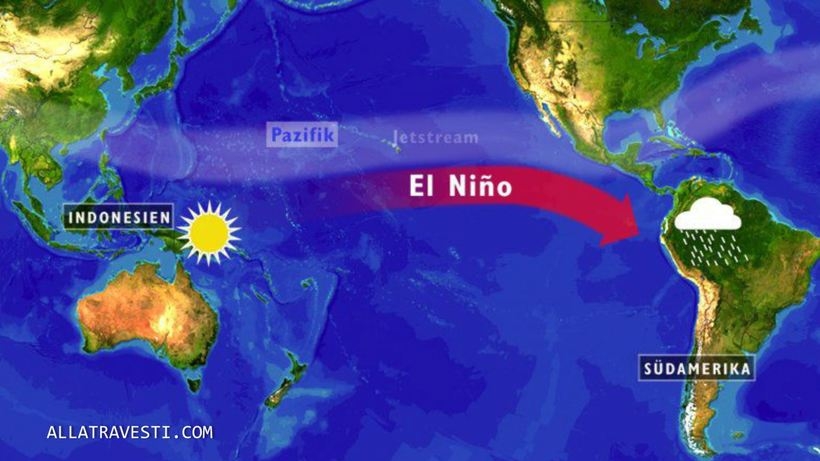
The probability of El Niño formation in May–July 2026 has increased to 82%, according to the US Climate Prediction Center. This climatic phenomenon significantly affects the weather in key agricultural regions of the world, and therefore the prospects for harvests, exports, and prices for grain and oilseed crops.
According to the center, neutral ENSO conditions are currently maintained in the Pacific Ocean, meaning El Niño has not officially formed. At the same time, forecasters estimate the probability of the phenomenon forming in May–July 2026 at 82%, and in the winter of 2026/27 MY (from December 2026 to February 2027) at 96%.
The Reuters article notes that El Niño can significantly change global weather conditions: in some regions, it can increase precipitation, in others - lead to drought, which will affect yields, logistics and prices of major agricultural crops.
At the same time, the Climate Prediction Center emphasizes that the strength of the future El Niño remains uncertain. None of the categories of the phenomenon's strength currently has a probability of more than 37%, so it is premature to talk about a "super El Niño."
Head of Editorial Content and Analytics at ASAP Agri Viktoriya Blazhko believes that the El Niño phenomenon can also change the global balance of grains and oilseeds. For example, it often causes drought, which reduces the production of wheat, barley and canola in Australia, the palm harvest in Indonesia and Malaysia, and a reduction in oilseed production in India. This can support prices for grains, primarily wheat and barley, as well as vegetable oils, which will open up additional opportunities for Ukraine to export these products to Asian countries.
On the other hand, El Niño often brings good rainfall to Argentina and southern Brazil, which improves the prospects for soybean and corn harvests, although it can delay their harvest. Therefore, for Ukrainian exporters, this phenomenon can create both opportunities and risks.
