

After a prolonged speculative rise, US stock indexes lost $2.5 trillion in capitalization on Friday, and the resumption of the war in Iran could exacerbate the collapse.
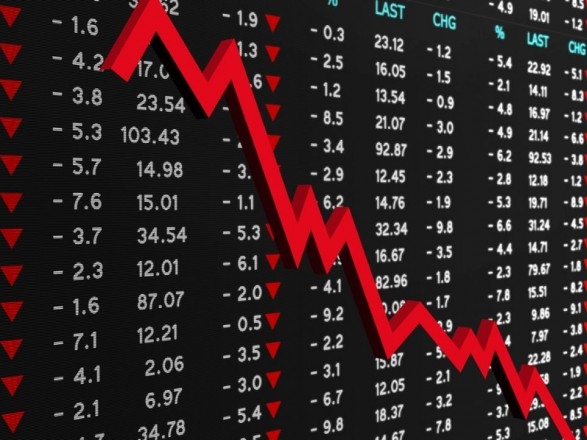
US stock indexes fell sharply on June 5, 2026, breaking a long-term rise. The Nasdaq index fell by 4.18%, the S&P 500 by 2.65% (the biggest daily drop since January 20), and the Dow Jones by 1.35%. The market did not support even the positive May report on the US labor market, as it increased investors' concerns about the Federal Reserve's continued high interest rates.
Due to the fall in stock indices, market capitalization decreased by more than $2.5 trillion in 24 hours. Gold fell by 3.38%, losing $1 trillion, silver - by 6.9% (-$280 billion), bitcoin - by 6.31% (-$80 billion), falling below $60,000 for the first time since October 2024.
Recall that the speculative growth was due to the rise in the price of shares of technology companies, so the Nasdaq composite index fell the most (-4.18%), as the shares of the "Magnificent Seven" came under strong pressure from sellers. Nvidia shares fell by more than 6.2%, Tesla – by 6.56%, and Meta – by 5.51%.
The market decline is likely to continue today as the Iran war escalates. President Trump tweeted over the weekend about the “great deal with Iran” and the “open Strait of Hormuz,” but yesterday Iran fired three waves of missiles at Israel for the first time since the April 8 ceasefire in response to Israeli attacks on Hezbollah leaders in Beirut, as Hezbollah continues to shell northern Israel.
Trump urged Israel not to attack Iran so as not to disrupt the wonderful deal with Iran, but Israel on Monday struck military targets in western and central Iran, which responded with missile strikes on Saudi Arabia.
A few hours ago, Trump said that new strikes by Israel and Iran would not affect his administration's peace talks with Tehran, adding that Israeli Prime Minister Benjamin Netanyahu "is not leading the process."
Oil prices started Monday with a 4% increase in Asian markets and are currently trading at $97/barrel.
When the stock market falls, funds flow into bonds and cash, and there is also increased pressure on commodity prices due to a possible reduction in consumption and global trade, so we expect increased pressure on grain prices against the backdrop of improving weather conditions in exporting countries.
