

After Iran's new ayatollah threatens to block the Strait of Hormuz, oil prices again exceed $100/barrel
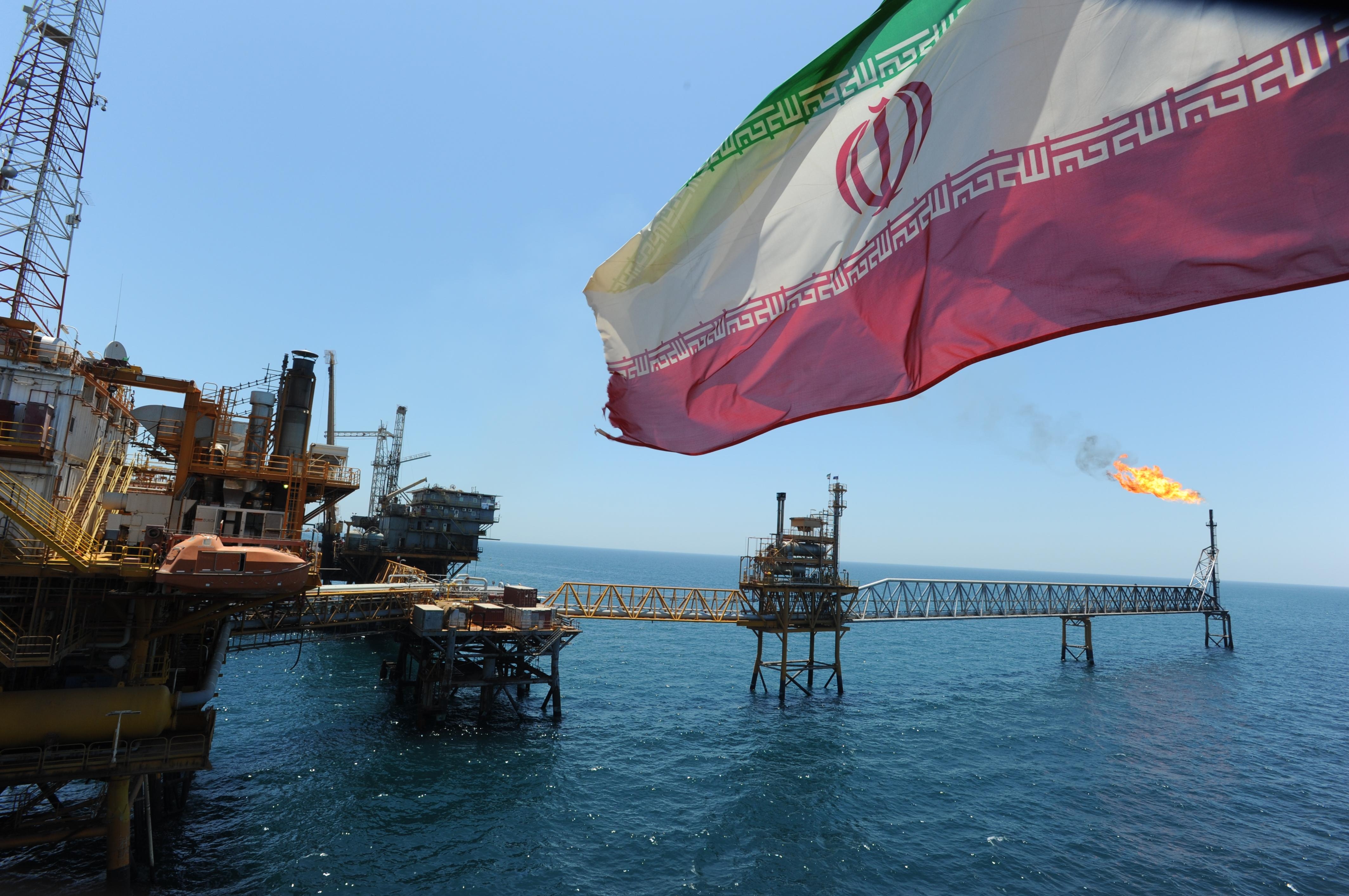
The war with Iran continues, but the situation is not getting better. The US and Israel continue air strikes, and Iran attacks everything it can reach with drones: terminals, ships, oil depots, and continues to threaten to blockade oil exports from the Persian Gulf.
Yesterday, a speech was released (without video) by Iran's new Supreme Leader, Ayatollah Mojtaba Khamenei, in which he declared that Iran would block the Strait of Hormuz and continue attacks on neighboring Arab Gulf states. He added that Iran would open "other fronts" in the war if the US and Israel did not stop their attacks.
May Brent crude futures rose again yesterday by 9.2% to the psychological level of $100.5/barrel (+36% in two weeks), which is the highest since mid-2022.
Pessimism in the market was exacerbated by Trump's statement that the absence of nuclear weapons in Iran is more important to him than oil prices, after which it became clear that one should not count on a quick de-escalation in the region.
Oil producers in the Persian Gulf have cut output by about 6% as the Strait of Hormuz remains virtually closed and Iran only allows passage to Chinese ships.
The protracted war is having a negative impact on the global economy, as evidenced by yesterday's collapse in US stock indexes. The S&P 500 closed down 1.52%, the Dow Jones Industrial Average down 1.56%, and the Nasdaq 100 down 1.73%.
The S&P 500 index has lost more than 4% from its peak, or more than $2.3 TRILLION in market capitalization, amid escalating tensions in the Middle East.
Morgan Stanley and Cliffwater LLC on Thursday restricted withdrawals from their private credit funds as investors tried to buy more than the funds allowed, weighing on shares of banks and asset managers.
Private credit funds have been receiving a flood of requests to buy back assets amid growing concerns about the quality of their loans. Last week, BlackRock decided to limit withdrawals, and other funds followed suit.
Restricting withdrawals is a very bad signal for the markets, as in 2008, six months before the global crisis began, funds also began restricting withdrawals.
According to Reuters, US intelligence currently sees no reason for the fall of the Ayatollah regime and a quick defeat of Iran. At the same time, they note the consolidation of religious leaders, despite the elimination of Supreme Leader Ali Khamenei on the first day of the war and the destruction of about a dozen other key high-ranking officials. This assessment indicates a possible prolongation of the war.
US Treasury Secretary Scott Bessant said that an "international coalition" could escort tankers through the Strait of Hormuz, but it is still unclear when this would happen, as successful convoys would immediately significantly lower oil prices.
