

The first forecasts of US planted area in 2026 at the Ag Outlook Forum showed a decrease in corn and wheat areas and an increase in soybeans
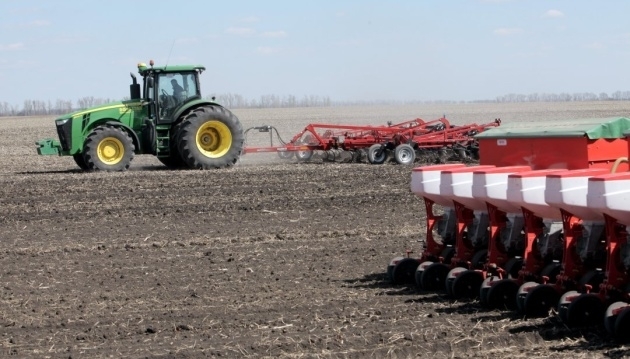
At the Outlook Forum, which is taking place on February 19-20, USDA experts released their first forecasts for the sown area and yield in the US in the new season. According to them, the area under corn will decrease in favor of the area under soybeans, and the area under wheat will also decrease slightly. Such estimates led to an increase in wheat quotes yesterday.
According to the US IGS forecasts, in 2026 the sown area and yield will change compared to last year as follows:
- under corn – the area will decrease by 4.8 million acres to 94 million acres (which corresponds to the same forecast a year ago), and production will decrease from a record 432.33 million tons to 400.2 million tons due to a decrease in average yield from 11.7 to 11.48 tons/ha,
- under soybeans - the area will increase by 3.8 million acres to 85 million acres (84 million acres were forecast a year ago), and production will increase from 116 to 121.1 million tons, while the average yield will remain at the level of last year (3.56 tons/hectare),
- under wheat - the area will decrease by 0.3 million acres to 45 million acres (47 million acres were forecast a year ago), and production will decrease from 54 to 50.6 million tons due to a decrease in average yields from 3.56 to 3.41 tons/hectare.
Amid new forecasts, March futures rose yesterday:
- by 2.3% to $205.6/t – for soft winter SRW wheat in Chicago (+2.3% per year since the forecast was released),
- by 2.6% to $207.8/t – for hard winter HRW wheat in Kansas City (-1.1%),
- by 2.5% to $214.4/t – for durum spring HRS wheat in Minneapolis (-0.6%),
- by 0.7% to $419.25/t – for soybeans in Chicago (+11.6%)
- by 1.6% to €193.75/t or $227.8/t – for wheat on the Euronext exchange in Paris (-13.8% in euros but unchanged in dollars).
March corn futures in Chicago fell 0.3% yesterday to $167.6/t (-9.2%) and remain under pressure from last year's high harvest and forecasts of a good harvest in the new season.
It should be noted that the first forecasts of sowing areas last year turned out to be inaccurate due to the change in farmers' sentiment caused by Trump's policies and weather conditions during sowing, so this season a correction of forecasts is also expected, especially at the end of March, when farmers will be surveyed about planned sowing areas.
