

Pakistan to sell 500,000 tons of wheat from state storage to stabilize prices
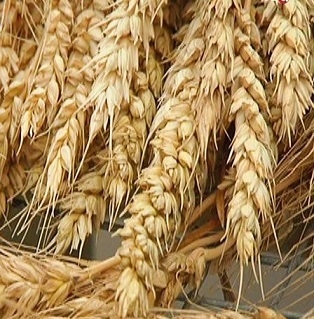
The Government of Pakistan has decided to sell 500,000 tonnes of wheat from government storage facilities to PASSCO Corporation to reduce inventories, reduce storage costs and stabilize domestic prices. Of this, 300,000 tonnes of wheat will be transferred to the Food Security and Consumer Protection Department of Punjab Province to provide raw materials to local processors.
Over the past year, significant stocks of wheat have accumulated in PASSCO storage facilities due to active imports and purchases of domestic crops. Long-term storage of grain increases costs and creates risks of quality deterioration, making it economically unprofitable to maintain large stocks. The sale of wheat at open auctions will partially offset storage costs and reduce stocks.
However, experts note that selling grain below the cost of purchase can cause financial losses in the range of 20.5–22 billion rupees, so the country's authorities need to balance economic costs and food security, ensuring stable supplies of flour for the population.
PASSCO was established in 1973 to store strategic reserves and ensure the country's food security, but its role is gradually changing. The government is now planning to reduce its operations, sell excess stocks and restructure the management of storage facilities, which will allow for more efficient management of state reserves and reduce the burden on the state budget.
The sale of stocks will also stabilize flour prices in the country's main agricultural province, Punjab. Ensuring stable supplies to local processors will help avoid price spikes and product shortages, and will also reduce inflation.
Experts believe that a long-term solution to the problem of excess inventory requires better coordination between federal and local governments, modernization of storage facilities, and strategic procurement planning.
