

Rainfall in major agricultural regions of the world improves harvest prospects, but meteorologists warn of possible El Niño impact
The Midwest and Great Plains have been hit by another round of rain and thunderstorms over the past week. Similar conditions are expected for the coming week.
The rains are providing ample moisture in the soil while also cooling temperatures, which is slowing the development of soybean and corn crops and delaying the harvest of winter wheat.
Recent rains have significantly improved moisture reserves in the Great Plains of the United States and eased the effects of drought for most of the region, which has a positive impact on the condition of spring wheat crops.
The Canadian prairies are also experiencing intermittent rainfall, which is delaying the completion of the planting season but remains very favorable for crop development. According to the province of Saskatchewan, farmers have significantly accelerated the pace of field work and as of June 8, have sown 93% of the planned area, including 93% of the area under canola.
A rain front moved through south-central Brazil last week, easing stress on corn crops after a long dry spell. More rain is forecast for later this week, improving corn yield potential and creating favorable conditions for winter wheat planting.
Most of Europe has seen heavy rainfall over the past week, reducing the impact of the heat on crops, especially in France, where farmers had previously reported signs of drought. Overall, weather conditions in Europe remain favorable for the 2026 crop.
In Ukraine and the southwestern regions of the Russian Federation, periodic rains continue to improve the condition of both winter and spring crops. Forecasts for the current week predict further precipitation at moderate temperatures, which will further promote crop development and improve harvest potential.
Australia has also seen improved soil moisture levels over the past month. Additional scattered rain is expected in the east of the country in the coming days. The heavy rainfall is somewhat unusual given the strengthening El Niño, which usually promotes drier weather conditions. The impact of this climate phenomenon could become more noticeable towards the end of winter and early spring, posing risks to winter wheat and canola crops.
In China, generally favorable conditions for growing corn and soybeans remain. In wheat and rapeseed producing regions, precipitation was lower, which contributes to the active harvesting campaign. In the northeast of the country, localized rains are possible in the near future, but overall weather conditions will remain favorable.
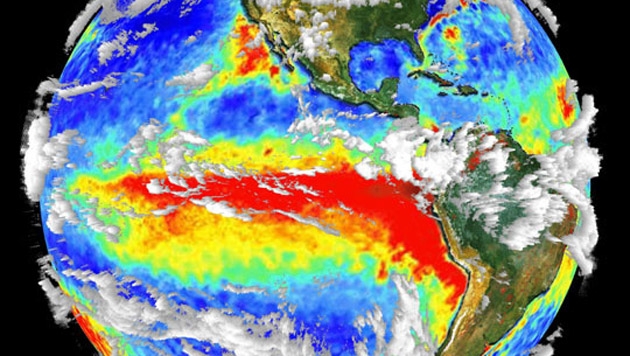
Meanwhile, meteorologists from the US National Oceanic and Atmospheric Administration (NOAA) have officially confirmed the onset of the El Niño phenomenon in the Pacific Ocean. According to experts, it could significantly affect weather conditions in many regions of the world in the coming months.
Professor Paul Roundy noted that there is a real possibility of one of the most powerful El Niños in the last 140 years forming.
El Niño is a natural climatic phenomenon that occurs every two to seven years and is associated with changes in the temperature of surface waters in the Pacific Ocean. Its effects vary significantly depending on the region. For Australia, parts of Asia, Africa and Central America, it usually means hotter and drier weather, while in parts of the Pacific coast of South America, El Niño is often accompanied by heavy rains and widespread flooding.
So far, weather conditions in the main grain and oilseed producing countries remain mostly favorable, which continues to support high harvest expectations and restrains the growth of world prices for agricultural products.
