

Oil prices stopped growing and turned downward, dragging vegetable oil prices down with them
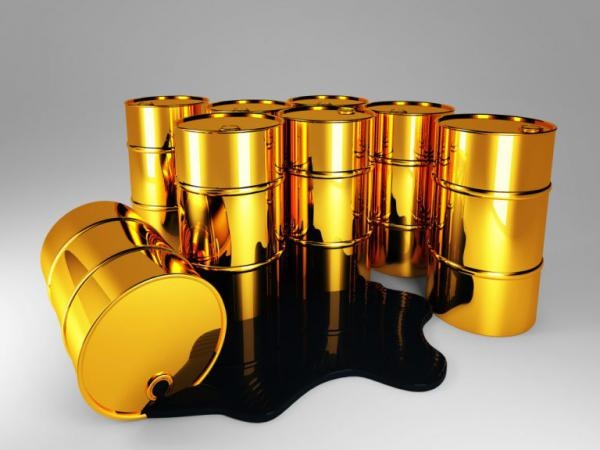
In the 10 days of the war with Iran, the world has realized how much it depends on free shipping and peace in the Middle East. Iran, the main terrorist in the region, has begun attacking neighboring and friendly countries in an attempt to ignite a major war and cause damage to the global economy by raising the prices of oil and other commodities. Iran's attacks on oil terminals and a gas plant, as well as threats to destroy tankers moving through the Strait of Hormuz, have halted exports and oil refineries as oil and gas storage facilities fill and shipments are blocked.
Yesterday, May Brent crude futures at the opening of trading on Asian exchanges immediately rose by 27% to $119/barrel on news of a fire at an Iranian oil depot caused by an Israeli airstrike, although before that the US promised that it would strike only at military facilities, without affecting the oil and gas industry. However, Trump later stated that there would be no more attacks on oil infrastructure, and the war was already close to an end, since all of Iran's ships, leadership and missile potential had already been destroyed. Against this background, by the end of the day, quotes fell by 20% and ended trading at $99/barrel (+6.4% per day and +35% since the start of the war), and today trading began with a decline to $93-94/barrel, and is currently trading at $91-92/barrel.
In addition, the G-7 countries have stated that they are ready to provide an additional 400 million barrels of oil from reserves to support supplies (recall that total reserves are estimated at 1.2 billion barrels).
Yesterday, Iran proclaimed the son of Ayatollah Ali Khamenei, Mojtaba Khamenei, as its supreme leader, a radical advocate of suppressing popular uprisings and attacking Israel and the United States. He has close ties to the powerful Islamic Revolutionary Guard Corps (IRGC). And President Trump has already said he is “not happy” with Iran’s chosen new leader.
According to Vortexa, oil stocks on tankers that have been idle for at least 7 days fell by 21% to 88.8 million barrels between March 1 and 6, thanks to the US decision to lift sanctions on oil supplies from Russia to India. But about 290 million barrels of Russian and Iranian crude are now in floating storage on tankers, which is 50% more than last year. Therefore, as soon as the US can conduct the first convoys of tankers through the Strait of Hormuz, oil prices will fall again under the pressure of significant oil stocks on tankers and accumulated reserves in oil storage facilities in the Persian Gulf countries.
May palm oil futures on Bursa Malaysia have risen 13% since the start of the war with Iran to 4,587 ringgit/t or $1,162/t following the rise in oil prices, but will also start to decline today.
May soybean oil futures on the Chicago SWOT rose to $1,530/t on Monday morning (+12% since the start of the war), but by the end of the session fell following oil to $1,440/t (+1.4% per day, +15.7% per month).
Today, the USDA will update the global supply and demand balances for grains and oilseeds, which may take into account the impact of the war on the markets, so we expect the markets to react to the reports.
