

China delays soybean clearance at ports due to overstocking and weak demand
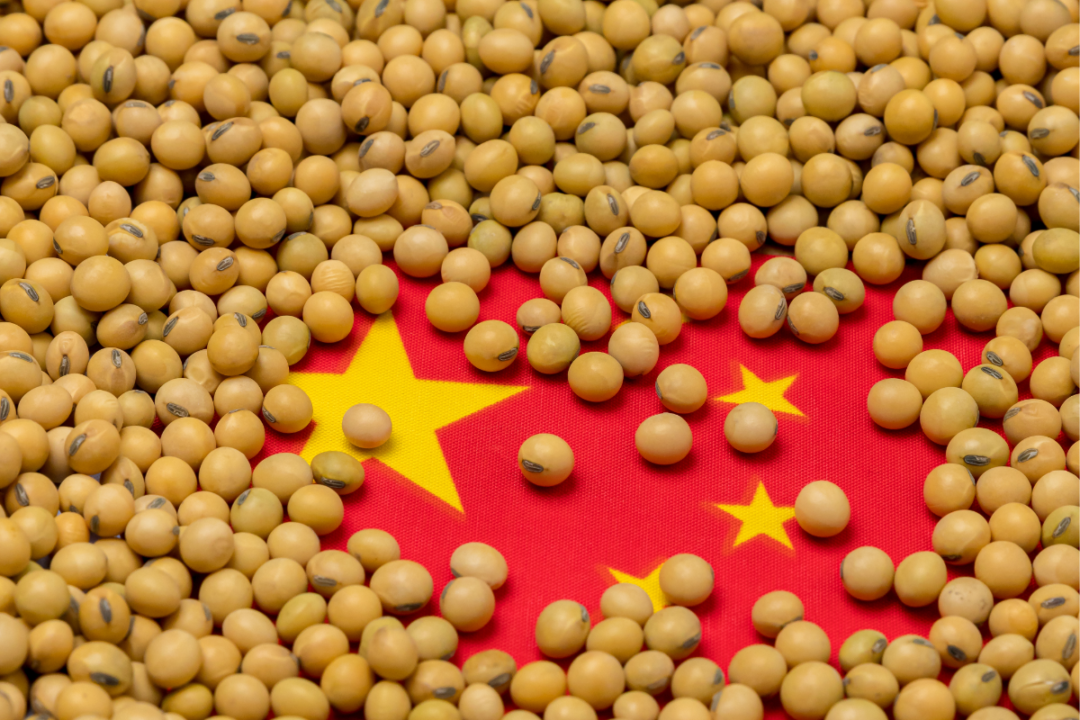
China has sharply slowed soybean clearance at ports due to declining demand from livestock farmers and the accumulation of significant soybean stocks at ports and processing plants, Bloomberg reports.
Increasing customs clearance times from the usual 15 days to over 20 days will delay the arrival of soybeans on the domestic market, the oversaturation of which creates a contradiction between the country's trade obligations and actual needs.
Most of the soybeans awaiting customs clearance were purchased by private Chinese processors in Brazil. Due to trade tariffs, private importers buy soybeans mainly from Brazil, while state-owned importers buy soybeans mainly from the United States to ensure compliance with the US-China trade agreement, under which China committed to buying 25 million tons of soybeans from the United States annually by 2028.
The situation is also complicated by significant stocks of processed soybean products. While soybean oil stocks have decreased slightly compared to September's record levels, soybean meal stocks remain at 2-year highs, which increases pressure on domestic prices.
Soybean meal futures on the Dalian exchange fell 1.5% to a 4-month low on November 19.
The reason for the accumulation of stocks was the decrease in demand from the pig industry, which is suffering losses (up to $75 per pig) from the fall in pork prices to a multi-year low. According to the forecast of Mysteel, in the 4th quarter of 2026, the profitability of livestock farming will remain low, which will reduce the demand for soybean meal.
Delays in soybean clearance will put pressure on global soybean prices, especially in Brazil, which supplies a significant portion of China's supply. At the same time, government purchases of US soybeans will support prices in the US. However, similar delays in customs clearance have occurred before, so the current restrictions may be temporary. Therefore, the further situation will depend on the pace of inventory reduction, recovery in demand, and implementation of agreements between the US and China.
