

China will allow private processors to import rapeseed from Australia, which will increase competition with EU buyers
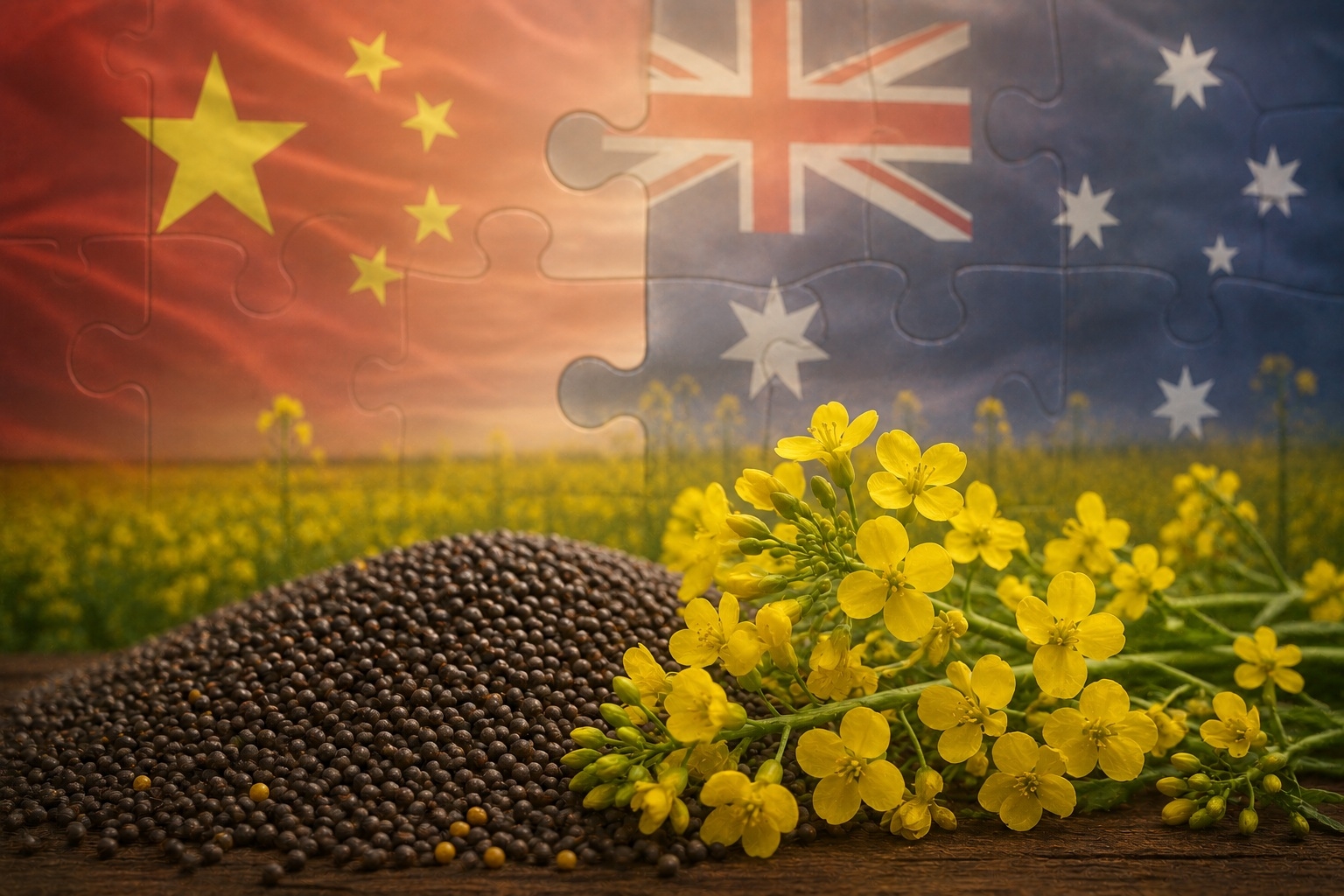
According to Bloomberg, the Chinese authorities plan to allow their private processors to import Australian rapeseed in order to normalize trade relations with Australia, which have remained quite tense for several years.
This week, several businesses will be able to apply for import permits under a pilot program that will be a preparatory stage before the signing of an intergovernmental agreement to resume trade.
Recall that in 2020, China banned the import of canola from Australia, citing quarantine safety. However, last year, the first step towards improving the situation was the test resumption of product bookings by the state-owned company Cofco International Ltd, which increased market expectations for increased imports.
These steps coincided with the complication of trade relations with the main supplier of canola to China - Canada, caused by the introduction of import duties by the Canadian government on Chinese electric vehicles, steel and aluminum. At the same time, China resumed imports of soybeans from the United States, ensuring stable access to raw materials necessary for the food industry and animal feed production.
Back in June, traders noticed an increase in demand from private processors for Australian canola for delivery in Q4.
To improve trade relations, the Australian Department of Agriculture has changed its phytosanitary requirements, updating the list of diseases (including bacterial leaf spot and bulb weed disease) and pests that are not allowed when exporting products to China.
It was previously reported that, at the request of the Chinese authorities, Rosselkhoznadzor has strengthened control over compliance with Chinese food safety standards by Russian exporters of rapeseed oil and meal.
Australia is one of the main suppliers of rapeseed to the EU, so against the backdrop of a reduced Australian harvest this season and high prices for Canadian canola, competition between European and Chinese importers for rapeseed from Canada and Australia will intensify, which will contribute to an increase in prices in Europe and Ukraine, which remains an alternative supplier.
