

China plans to drastically reduce soybean imports and change the structure of livestock farming and the feed market by 2030
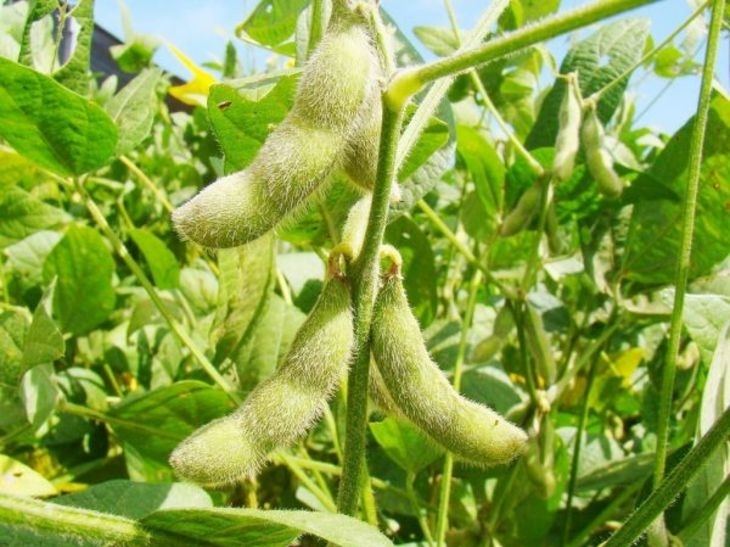
According to the plan adopted for 2026-2030, China intends to increase annual grain production to 725 million tons and reduce the need for soybean imports. Experts from the Rosario Grain Exchange note that such steps will significantly change the global trade in grain, feed and meat.
Particular attention will be paid to soybeans, whose own production is planned to increase to 24.7 million tons, and imports to be reduced to 90 million tons (compared to a record 111.8 million tons in 2025). However, the plan is to increase the yield not by expanding the sowing area, but by applying new technologies: increasing yields, digitalization and developing breeding, which should provide 85% of the main seeds by 2030.
Recall that the USDA estimates soybean imports to China in the 2026/27 MY at a record 115 million tons (compared to 113 million tons in the 2025/26 MY and 108 million tons in the 2024/25 MY).
China's plans to reduce the share of soybean meal in animal feed from the current 13.4% to 10% by 2030 by replacing it with alternative ingredients will increase competition among global exporters of meal.
In addition, the PRC plans to change the structure of livestock production by reducing the production of pigs (which consume the most meal) and increasing the production of beef and poultry.
To ensure stable supplies, China is investing in the logistics infrastructure of exporting countries, in particular, expanding the COFCO terminal in Brazil and developing the Changkai port in Peru.
So soon, global exporters of soybeans and meal will face new challenges and will be forced to look for ways to sell their products.
