

Urea in Ukraine rose in price by UAH 10,000, and OSTCHEM stopped selling it
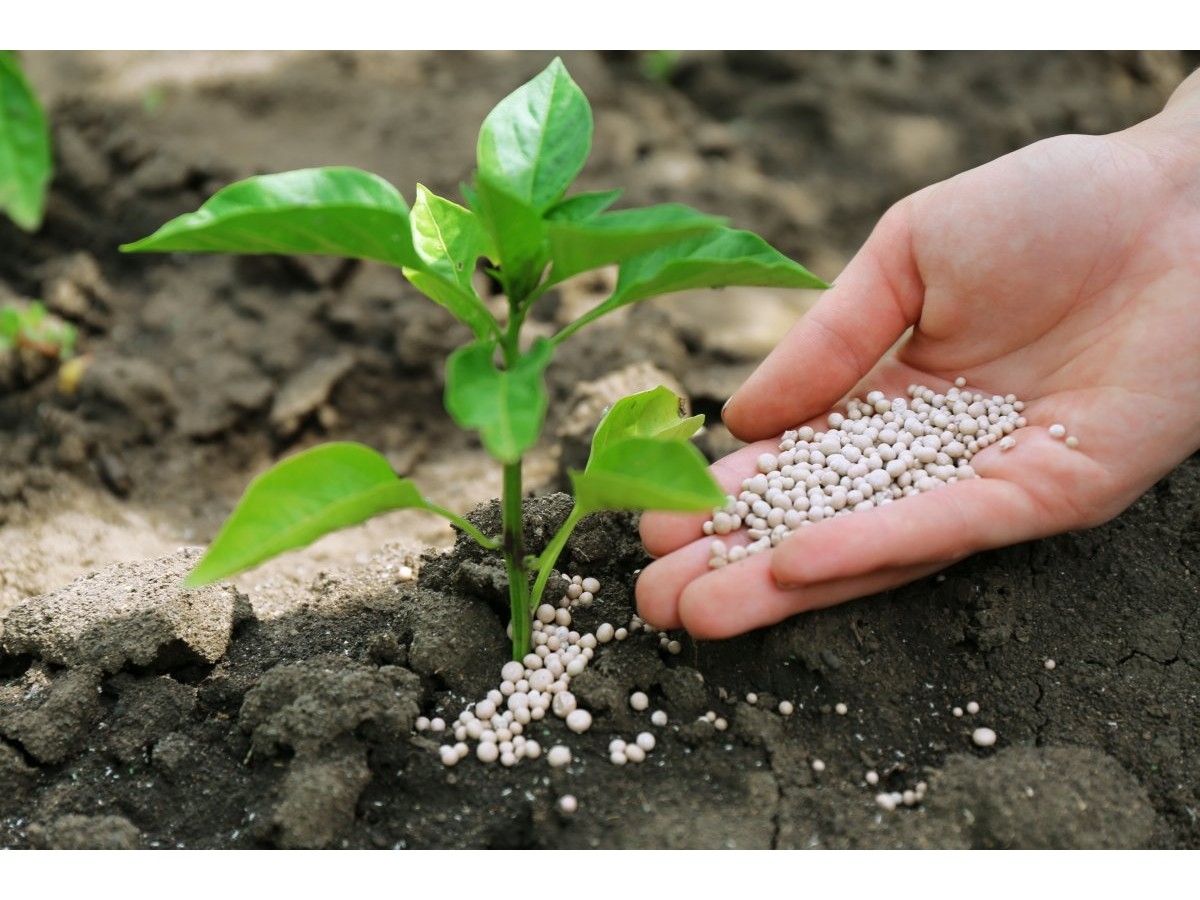
Despite the fact that the sowing campaign in Ukraine has not yet started, demand for urea remains high, both from farmers, traders and UAN producers.
As of March 11, the price of imported urea increased compared to the previous week by UAH 10.1 thousand/t to UAH 40-42 thousand/t on FCA-port terms, Barva Invest reports.
Experts predicted a shortage of urea in Ukraine even before the war in the Middle East began, since for more than four years it has been produced by only one manufacturer - the Cherkasy Azot plant, which in 2025 reduced urea production by 42% to 232 thousand tons, most of which was produced in the first half of the year, so transitional stocks are very limited. Currently, OSTCHEM does not offer urea for sale and does not even declare prices for it.
Limited supply has led to a deterioration in the ratio of the cost of fertilizers to agricultural products. Now, to purchase 1 ton of urea, buyers will need 56% more corn or 57% more wheat than last year. After the price increase in recent days, this indicator has exceeded the annual average, and it was worse only in 2022, Barva Invest notes.
The Ukrainian fertilizer market remains highly dependent on imports, so during the winter traders actively purchased urea from Nigeria, Azerbaijan, and Central Asian countries. However, the war in the Middle East has radically changed the situation on the global market.
The Gulf countries are the world's largest exporters of urea, so the halt in supplies has led to a sharp increase in world prices and increased competition and available volumes in the Black Sea and Mediterranean regions.
Given that the plant in Azerbaijan has been out of operation for a month, North African producers sold out by the end of March, and supply from Central Asia is limited, domestic importers are finding it very difficult to find available goods. Some of them have stopped sales in anticipation of further price increases.
Experts predict further growth in urea prices, although they do not rule out a short-term decline. Prices are supported by the high cost of gas, supply shortage, active demand and rising import prices, as well as the devaluation of the hryvnia.
A decrease in the surge demand for gas and fertilizers may lead to a slight decrease in prices, but they are unlikely to return to February levels.
