

The 2026 El Niño has already broken previous temperature records and poses risks to crops in the Southern Hemisphere
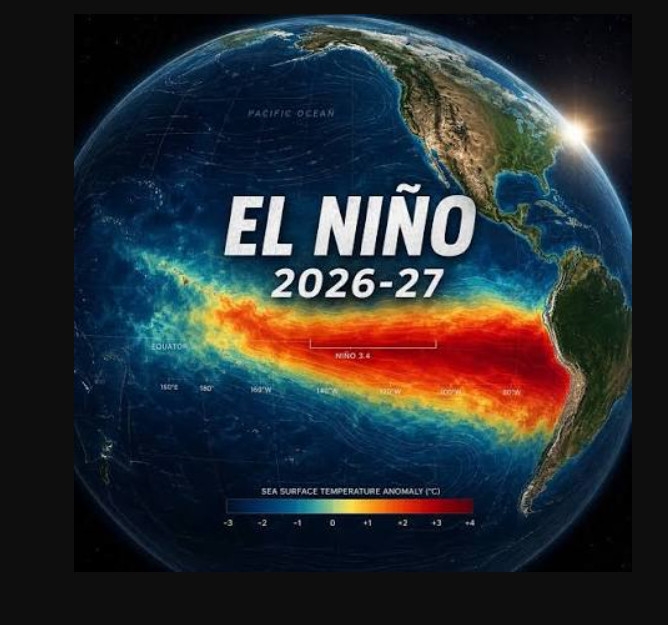
The El Niño, which is forming in the Pacific Ocean, has already surpassed previous levels of similar phenomena and has become the strongest in the entire period of instrumental observations. According to the UK Met Office, the surface temperature of the central equatorial Pacific Ocean has exceeded the indicators of previous cycles, and the peak of the phenomenon is expected later this year.
A record El Niño could significantly alter weather patterns in key agricultural regions. Australia, India and southern Africa are typically at increased risk of dry weather, while parts of South America, the Mediterranean and East Africa could see increased rainfall.
At the same time, the impact of El Niño on global grain production is not unambiguous. According to the Center for Global Development, previous very strong events did not lead to a decrease in average global grain yields, although losses were significant in some countries. In particular, during the 2015–2016 El Niño, corn yields in South Africa and wheat in India decreased.
An additional risk factor for agricultural markets remains rising global prices. According to CGD, from January 2 to September 22, 2026, wheat futures in Paris rose by 26%, corn in Chicago by 23%, and soybeans by 29%.
At the same time, current prices remain within normal historical ranges, and wheat and corn stocks in leading exporting countries remain relatively high, which partially reduces the risks of a sharp shortage.
CGD notes that the biggest threat to food markets is not El Niño itself, but its possible combination with other factors - disruptions to exports through the Black Sea, high prices for energy and fertilizers.
Therefore, the market's main focus in the coming months will be on the weather in the Southern Hemisphere, primarily in Australia, India, South Africa and South America. At the same time, it is still too early to definitively assess the impact of the current El Niño on harvests and global food prices.
