

Rains in China have worsened the quality of wheat, which could increase its imports
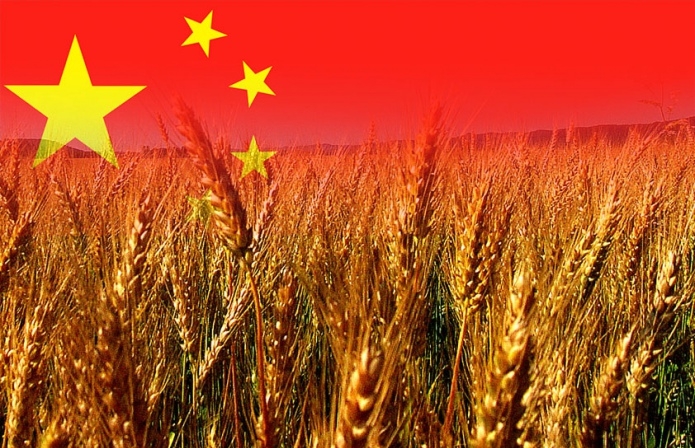
Heavy and prolonged rains in China's main wheat-growing areas during the harvest season have damaged the quality of the crop, which could lead to increased imports in the near future. Experts estimate that 4.8-10 million tons of wheat sprouted due to excessive moisture, making it unsuitable for processing into flour.
Despite the deterioration in quality, the winter wheat harvest will be quite high, as the volumes of low-quality grain in the main agricultural regions will be insignificant. However, the harvest has now been harvested on only 42% of the areas, so the final data will be known later.
China is the world's largest producer and consumer of wheat, and meets most of its needs through its own production. But in the first 4 months of 2026, it doubled its wheat imports compared to the same period last year, purchasing 2.43 million tons of the grain.
Analysts expect an increase in imports of milling wheat amid a decline in the quality of the domestic harvest. However, this may happen later, as happened in 2023, when prolonged rains spoiled part of the harvest, and import volumes increased only a few months later.
In addition to rain, wheat crops are threatened by strong winds, especially in the northern part of Henan province, which lead to lodging of crops, complicate harvesting, and increase crop losses and losses for farmers.
The China Meteorological Administration is predicting a new wave of rainfall in the main wheat-growing regions in the coming days, which will delay the harvesting and drying of the grain.
To minimize losses, the authorities of the main wheat-producing provinces have attracted additional resources for harvesting and drying wheat.
Markets are closely monitoring the situation in China, as even a slight increase in imports could support world wheat prices, which have already risen significantly amid adverse weather in other exporting countries.
