

Grain production in Europe to drop by 9% due to abnormal heat
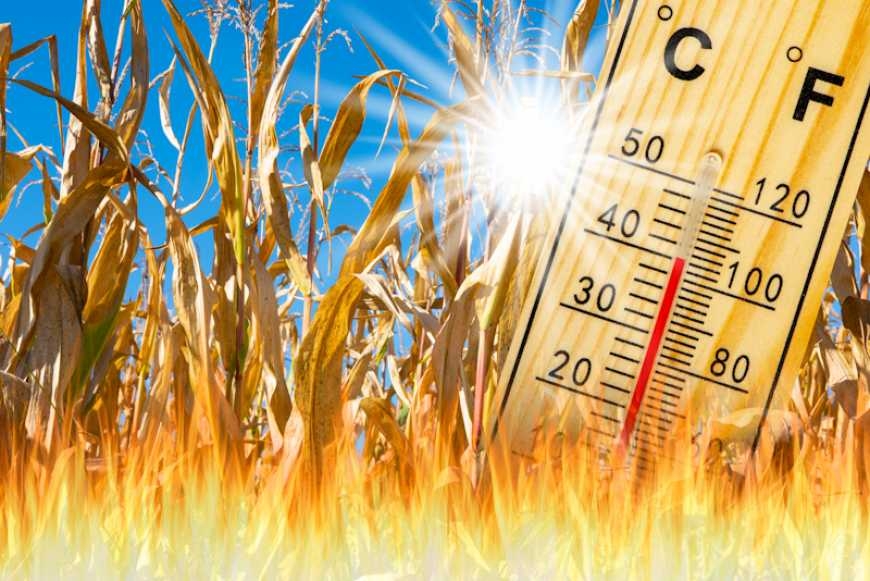
This year's reduction in grain production in Europe will be the largest in decades due to abnormal heat and geopolitical tensions that have destabilized exports and led to rising prices for fuel and fertilizer, Bloomberg reports.
Compared to last year, total grain production in the European Union could decrease by 9% to 23.4 million tons. According to estimates by the British think tank Energy and Climate Intelligence Unit, the June heat wave alone reduced the income of European farmers by almost 2 billion euros or 2.3 billion dollars.
On the basis of forecasts of a reduction in production, exchange prices for wheat increased by 20% in a month, and for corn - by 10%.
France, the EU's largest agricultural producer, has been hit by three heat waves since May, causing the country's corn production to drop by 30% to its lowest level since 1990, and wheat production to drop by 8%, although its quality and protein content will remain high.
In Germany, due to premature grain ripening, winter wheat production will decrease by 12%, and in Poland, the wheat harvest will be 20% lower than last year's record, although it will remain at the average multi-year level.
At the same time, Romania, thanks to sufficient rains, plans to harvest almost record yields of wheat, barley, and rapeseed, while Bulgaria expects a record harvest of wheat, the protein content of which turned out to be lower than normal due to reduced use of nitrogen fertilizers.
The war in the Middle East also negatively affected grain production in the EU, as rising fuel and fertilizer prices forced farmers to reduce the area sown.
And now, to the old problems, risks to shipping in the Black Sea and the threat of the El Niño climate phenomenon have been added.
